
When a few hens behind a fence require lawyers, permits, and neighbor vetoes, we’ve lost the plot. Food sovereignty starts at home—and no city hall should stand between a family and its breakfast.
Yanasa TV News
The split-screen America of backyard chickens
In 2025, you can watch two very different stories play out—often on neighboring blocks.

On one side, a Michigan judge told a suburb its anti-“farm animal” ordinance was so vague it couldn’t be used to punish a homeowner whose small flock were pets. That ruling—Hrydziusko v. Village of Beverly Hills—let the family keep their hens. It’s a reminder that when municipal code is a muddle, courts will push back.
On the other side, city councils in places like Lafayette, Indiana are cautiously legalizing hens with permits, no roosters, and a built-in sunset clause: try it for a year, track complaints, then renew or repeal. It passed in September with the mayor breaking a tie—proof that, when you treat residents like adults, the sky doesn’t fall.
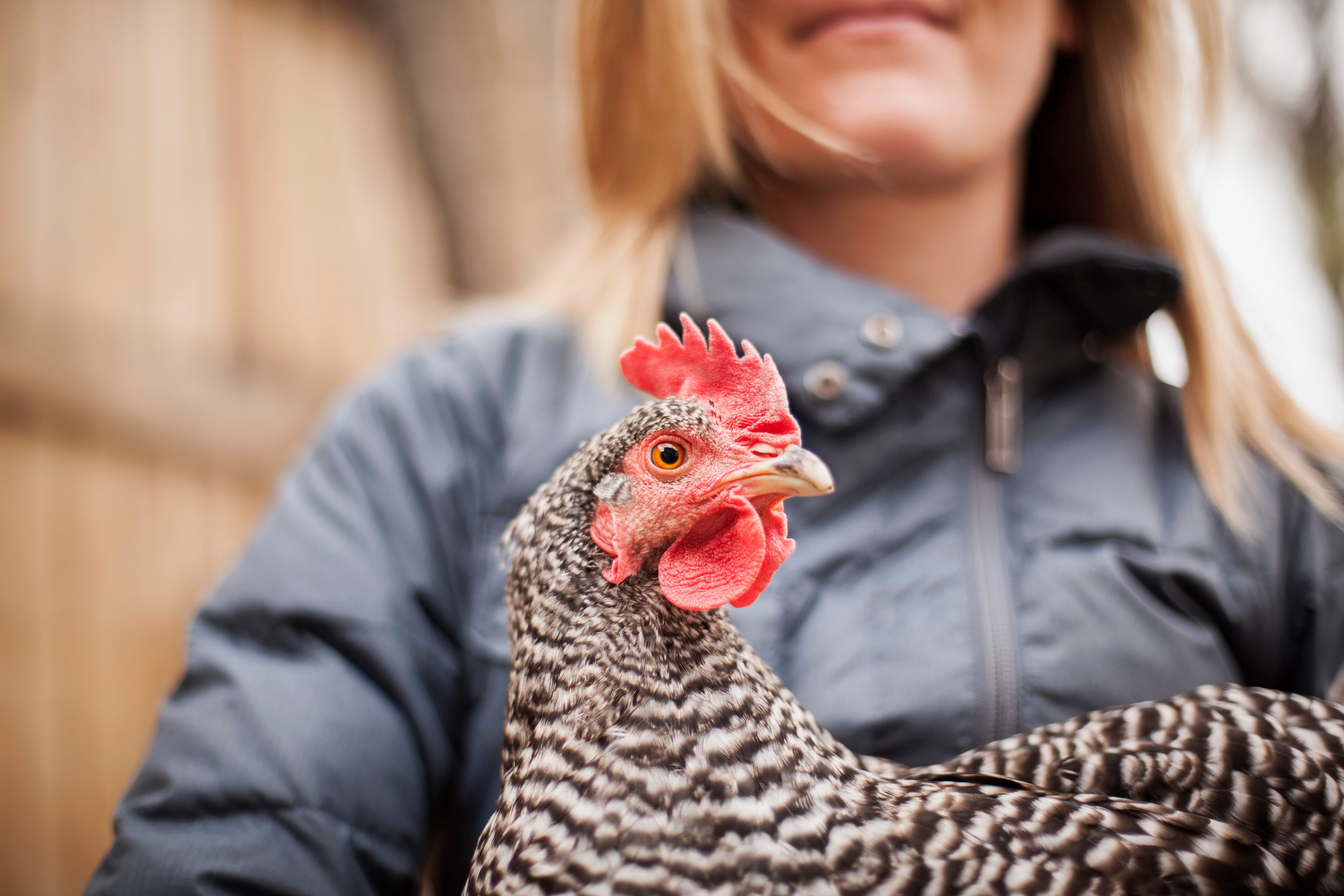
And then there’s the third panel in the split-screen: cities that “allow” hens but rig the process so a single neighbor can block or revoke a permit with no real standards. One Michigan case now in federal court challenges exactly that—an ordinance that delegated permit power to the most irritable person on the block. That’s not democracy; that’s privatized due process.
Food sovereignty begins at the back fence
You don’t need to invoke apocalyptic supply-chain talk to justify a couple of hens. The case for backyard poultry is modest and deeply American:
- Household resilience: Eggs are protein security. Cities from New York on down recognize this and allow hens (not roosters) under public-health rules. If the five boroughs can manage it, your town can too.
- Civic responsibility: Permits, setbacks, sanitation—fine. But rules should be knowable, objective, and evenly applied. Vague ordinances and neighbor vetoes fail that test.
- Cultural fit: Across the country, families keep small flocks for education, compost, pest control, and yes—companionship. Some courts and HOAs still insist chickens can’t be “pets,” but that line is increasingly out of touch with how people actually live.
Maine has gone even further, enshrining a Right to Food in its constitution and pairing it with local food-sovereignty ordinances (with carve-outs for meat/poultry processing and off-site sales). You may not agree with every contour of Maine’s experiment, but the thrust is clear: citizens should be free to grow and raise food for themselves, and local rules should respect that.
How we got here: the “pet vs. livestock” shell game
Many fights turn on labels. Is a 4-hen flock a “household pet” use, or forbidden “livestock”? Courts are increasingly skeptical of ordinances that wave at “farm animals” without drawing workable lines. Michigan’s 2025 ruling struck down Beverly Hills’ language as void for vagueness—and rightly so. If you have to guess what’s illegal, the law is the problem.
Where state policy steps in, it can cut either way. Michigan’s agricultural commission has long said dense residential areas (Category 4) aren’t appropriate for livestock unless a local ordinance allows it—effectively handing the keys to city hall. That’s why your rights can change at the township line.
Are there similar cases across the U.S.?
Yes—and they reveal the pattern:
- Permissive big cities: New York City allows hens (no roosters) under the Health Code; Buffalo explicitly licenses up to five hens for personal use. Clear rules, stable expectations.
- Permit-with-guardrails towns: Lafayette (IN) adopted a permit system with a trial period; Hobart (IN) did the same—measured, reversible policy instead of blanket bans.
- Neighbor-veto traps: Douglas (MI) created a 21-day neighbor objection window and later yanked a permit after a complaint; litigation and national scrutiny followed. That’s the cautionary tale.
- HOA hard lines: Private covenants often classify chickens as livestock, regardless of how a family uses them; recent cases have upheld that view. That’s a separate fight from city law—but it’s real.
What rights do people actually have to raise their own food?
- Baseline property & police powers: Cities can regulate animals for health and safety—but restrictions must be rational, specific, and non-arbitrary. Vague bans and neighbor vetoes are legally suspect; that’s exactly what the Michigan case and the Douglas lawsuit are testing.
- Right-to-Farm statutes: In most states these protect bona fide agriculture from nuisance suits—but they rarelyshield small urban flocks in residential zones. That’s why local ordinances matter so much. (Michigan’s Category 4 policy underscores this limit.)
- Food sovereignty & state constitutions: Maine’s amendment is the boldest example, recognizing an individual right to grow and raise food for personal nourishment, while leaving room for health safeguards. Other states are watching.
A better template for towns—and a simple litmus test
If your community is wrestling with this, here’s the workable middle:
- Allow small flocks by right (or with a simple, low-cost permit).
- Objective standards: X hens, no roosters; setbacks; coop specs; sanitation; humane care; feed storage; complaint process with evidence and appeals—not a neighbor veto.
- Measure, don’t guess: If you’re nervous, add a review clause (not a trapdoor sunset) with defined metrics: verified odors, noise violations, animal-welfare citations. Lafayette’s one-year “trial” shows councils can move cautiously without criminalizing families.
Litmus test: If your ordinance lets one neighbor kill someone else’s coop without standards or hearings, it’s not a chicken rule—it’s an abdication of government.
Hens Don’t Threaten Public Order.
A handful of hens is not a threat to public order. It’s an act of stewardship, thrift, and education. In an era obsessed with “local food,” we shouldn’t force people to buy carton eggs shipped from 1,000 miles away while fining their kids for a backyard flock. The law should be clear, fair, and pro-self-reliance. Towns that have legalized hens with sensible guardrails are getting it right. Towns that hide behind vague bans or neighbor vetoes are not.
Food sovereignty doesn’t require slogans. It requires the freedom to gather your own breakfast.