
Securing market access for nearby farms isn’t a luxury—it’s basic food security and real food sovereignty.
Yanasa TV News
The question isn’t whether to protect neighborhoods; it’s whether a tightly conditioned, small-scale plant can coexist and actually strengthen the community.

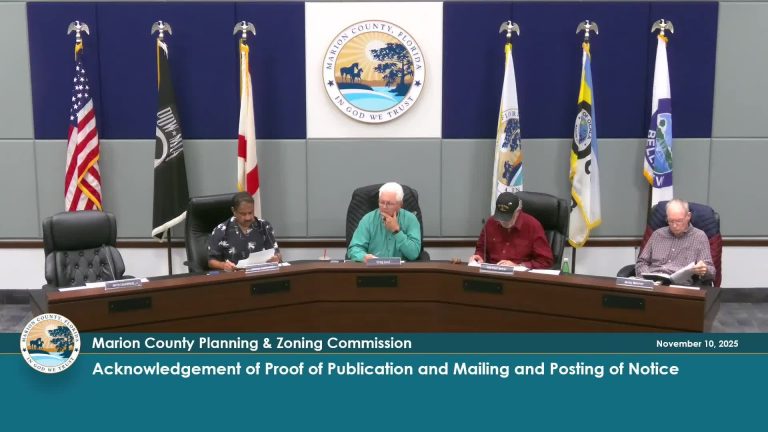
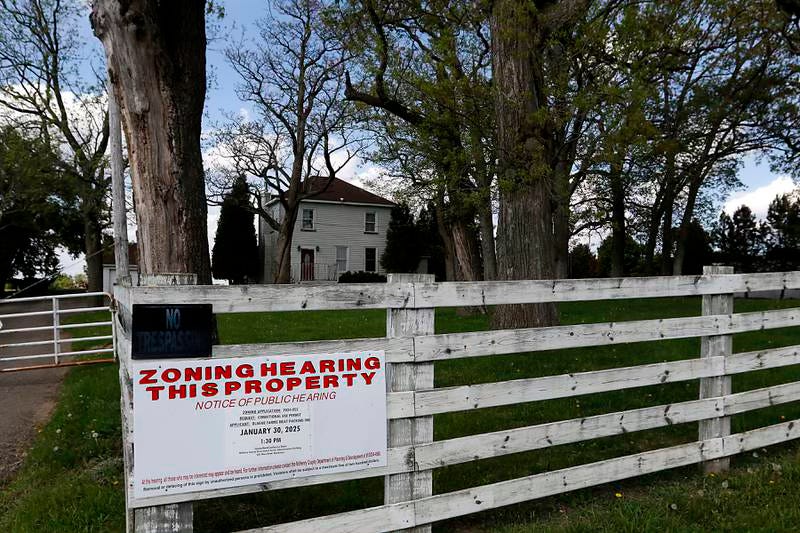
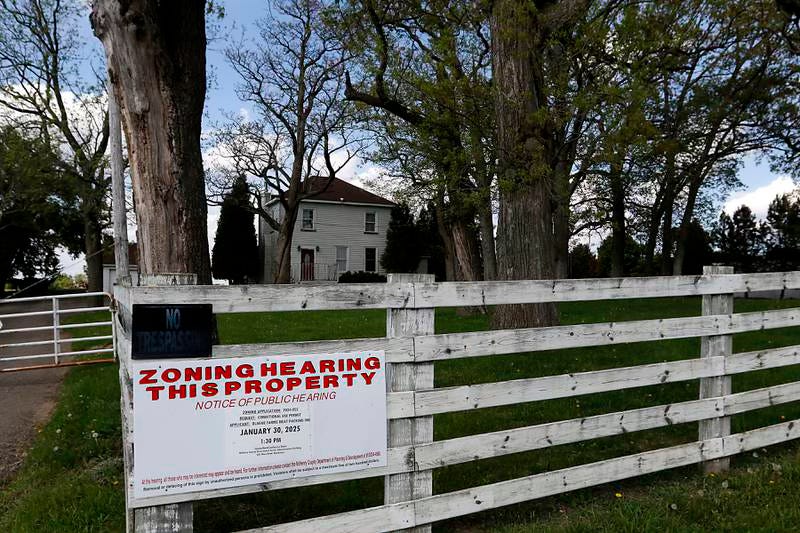
When McHenry County, Illinois approved a conditional-use permit for a small slaughterhouse outside Woodstock, it touched every nerve in the modern food debate. Neighbors worried about odor, wells, traffic and property values. Farm families saw something else: a chance to replace lost kill-slots, shorten haul distances, stabilize 4-H and custom processing, and keep more food dollars circulating locally. The county board, after months of scrutiny and a 13–5 vote, decided to say yes—with conditions.
Meanwhile in Dillon, Montana, longtime tensions over an in-town butcher shop’s plan to add a kill floor boiled over. The city signaled a cease-and-desist posture because slaughtering inside city limits conflicts with local rules, and the state piled on with its own enforcement steps. It’s the mirror image of Illinois: same “local meat vs. NIMBY” storyline, different zoning map.
These headlines aren’t outliers—they’re the new normal whenever communities try to rebuild regional meat capacity.
Food security starts with short supply chains
If COVID, cyberattacks, and plant fires taught us anything, it’s that bottlenecks at a handful of mega-facilities can ripple through entire regions. Small, distributed plants:
- reduce animal stress and transport miles,
- restore flexibility for direct-to-consumer and farm-to-restaurant sales,
- and anchor skilled jobs that can’t be offshored.
In McHenry County, the project arose after a 2023 fire sidelined an existing operation; rebuilding nearby was blocked by a setback rule at the old site. The new, rural location—with a conditional permit—aims to restore capacity that local farms lost. That’s not industrial creep; that’s plugging a hole.
Take neighbors seriously—and answer with enforceable conditions
NIMBY concerns are not imaginary. Odor, wastewater, well protection, traffic, and hours of operation must be designed and enforced up front. County-level approvals can (and should) require:
- engineered wastewater or pretreatment plans with state oversight,
- strict truck routes and delivery windows,
- setbacks and vegetative buffers,
- capacity caps (head/day) tied to infrastructure,
- and transparent complaint processes with measurable remedies.
McHenry’s decision was not a blank check—it attached conditions and followed months of hearings. That’s exactly how the system should work when communities are weighing competing goods.
Don’t let anti-animal-ag advocacy collapse scale into scare
Opposition campaigns sometimes blur lines between a 100- to 200-head/week regional plant and a massive, industrial complex handling thousands per day, with very different water and waste profiles. Montana’s recent fights often cite the specter of “industrial slaughterhouses,” but those Great Falls-style battles are about scale, not the existence of small plants per se. Communities deserve honest comparisons, not fear driven by the biggest possible example.
Will a small plant really harm the neighborhood?
Three reality checks:
- Scale & siting matter more than slogans. A rural, agriculturally zoned site with modern waste controls is not equivalent to a large urban-edge complex. Illinois’ case involved an ag parcel outside municipal limits and underwent Zoning Board scrutiny before the board vote.
- Regulators have leverage. Conditional-use permits can be revoked for violations. State environmental agencies and USDA/State meat inspection add another layer. If a plant can’t meet odor or water standards, it won’t last.
- Benefits are concrete. Local slaughter restores farm margins, keeps youth-ag programs viable, and gives consumers real choice—grass-fed, heritage breeds, custom cuts, culturally specific butchery—options the big boxes rarely carry.
Two snapshots, one lesson
- McHenry County, IL: Conditional approval after public hearings; core dispute centered on setbacks and proximity to residences. The board’s “yes, with conditions” acknowledged risks but prioritized restoring local capacity after a fire.
- Dillon, MT: City and state pushed back on slaughtering within city limits as an in-town shop explored expansion. Result: pressure to relocate kill operations outside city boundaries—where they belong—and to come into full compliance.
Same theme, different outcomes: match the plant to the place, then enforce the rules.
A practical framework for communities
If you’re weighing a proposal in your county, demand this checklist before you choose sides:
- Right-sized capacity: Publish daily/weekly head limits and a growth trigger that forces a public review if exceeded.
- Water & waste plan: Engineer of record, monitoring schedule, and a posted hotline + response clock.
- Traffic & noise: Time-windowed truck routes, posted decibel targets, and penalties for violations.
- Local access guarantees: Reserve a set percentage of kill slots for in-county producers at transparent pricing, so benefits aren’t exported while impacts are localized.
- Sunset & review: A 24-month compliance review with teeth.
With those guardrails, small plants are far more likely to be good neighbors—and indispensable infrastructure.
The sovereignty question
“Food sovereignty” gets tossed around, but at ground level it means families can raise, finish, and process animals without shipping them hundreds of miles or waiting months for a slot. When local governments shut the door on any slaughter capacity, they quietly outsource both control and value to far-off players. When they permit right-sized plants with real conditions, they keep resilience—and accountability—close to home.
Bottom line
We should absolutely respect neighbors’ quality-of-life concerns and insist on rigorous conditions. But we should also be honest: a small, well-regulated slaughterhouse is unlikely to wreck a rural neighborhood—and very likely to give farms, butchers, restaurants, and families new opportunities. The Illinois vote shows counties can say “yes, carefully.” The Montana clash shows cities can say “not here” and still point to a workable “out there.” Both, done right, protect the public interest.
If we care about resilient food systems, we can’t chant “buy local” while blocking the very infrastructure that makes local meat possible. The path forward isn’t reflexive fear or blind boosterism—it’s tailored siting, enforceable rules, and a community that chooses sovereignty over scarcity.