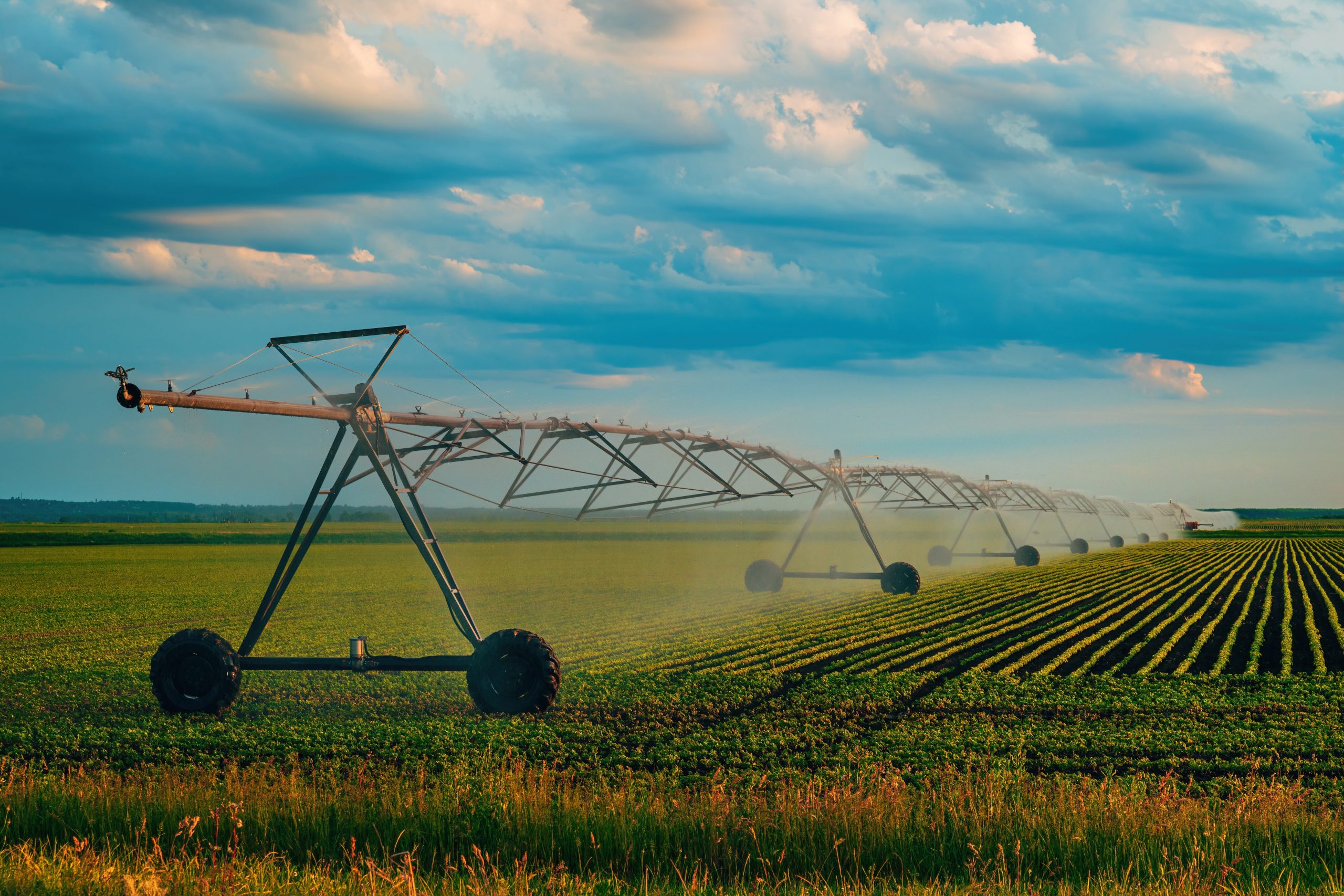

New Kansas water rules aim to simplify impairment claims and add flexibility to groundwater management — changes that could bring both relief and new responsibilities for farmers and ranchers.
Yanasa TV News
This month, the Kansas Department of Agriculture’s Division of Water Resources (DWR) is holding a public hearing on proposed updates to state water regulations. The changes could influence how water rights disputes are resolved and how groundwater is managed across Local Enhanced Management Areas (LEMAs).

The goal, according to DWR, is to streamline impairment claims and make groundwater management more flexible and locally driven. For many producers, that could mean a few welcome improvements—and a few new wrinkles to understand.
Simplifying Water Impairment Claims
When one water user’s pumping reduces another’s supply, the affected party can file an impairment claim. It’s a slow, technical process that often takes months or even years.
The state plans to replace two older regulations (K.A.R. 5-4-1 and 5-4-1a) with a new rule, K.A.R. 5-4-1b, intended to clarify and speed up the process.
What could change
- Faster decisions: The Chief Engineer would take more direct authority to decide cases, without some of the extra steps that previously involved local management districts.
- Clearer standards: Broad, regional aquifer declines wouldn’t count as “impairment” unless they can be traced to specific nearby pumping.
Example:
A senior water-right holder claims their well dropped after a neighbor drilled a new irrigation well half a mile away.
- Under the current rules: The case could drag on while agencies exchanged reports.
- Under the new rules: DWR could review and act more quickly, possibly ordering the junior right to reduce pumping sooner.
Pro: Quicker resolution and less red tape for both sides.
Con: Senior right holders facing region-wide decline (not a single neighbor) may find it harder to prove impairment.
Updating Groundwater Allocations in LEMAs
LEMA plans—Local Enhanced Management Areas—allow local districts to design custom groundwater conservation programs. They’ve been used in parts of western Kansas to stretch the Ogallala Aquifer’s lifespan.
The proposed updates to K.A.R. 5-19-1 and 5-19-2 would allow multi-year “fixed allocations” instead of strict annual limits.
What that means in plain terms
Farmers could manage their total water over several years. If a dry season demands more pumping, they could use extra water now—as long as they make up the difference later.
Example:
A farmer with a five-year allocation of 500 acre-feet could pump 120 acre-feet this year, 90 the next, and still stay within the total.
- Pro: Flexibility to handle weather swings, crop rotations, or cattle water needs.
- Con: Once the multi-year total is reached, you’re done—no matter how the last year plays out. Careful planning and metering become essential.
Another change: allocations would be based on the LEMA’s conservation goals, not on each farm’s historical use. That means some producers could gain or lose depending on how those goals are calculated.
What It Means on the Ground
For most operations outside a LEMA or not involved in an impairment claim, day-to-day practices won’t change immediately.
Inside active or proposed LEMAs, producers might see:
- More flexibility in dry years.
- Tighter accounting over multi-year water budgets.
- Pressure to cooperate locally so the area meets its conservation goals.
Meanwhile, farmers near contested water sources—like those surrounding wildlife refuges or senior surface rights—may see impairment claims move faster once filed.
Why You Should Care
Kansas faces the long-term challenge of balancing aquifer decline with farm viability. Regulators say these updates aim to simplify the rules and support conservation without creating new statewide mandates.
For producers, the best move is to:
- Review your operation’s water-right status.
- Know whether you’re inside a LEMA boundary.
- Track your annual and cumulative pumping.
- Submit feedback before the public hearing.
The hearing is scheduled for October 27, 2025, at 10:00 a.m. in Manhattan, Kansas, with an online option for remote participation. Comments can be submitted through the state’s website: agriculture.ks.gov/PublicComment.
To Sum It Up
These regulatory tweaks aren’t a new water grab (yet), but they could reshape how Kansas manages scarcity and disputes. For some, they’ll ease the paperwork; for others, they’ll raise the bar for proving a case. Either way, they highlight a simple truth: the future of Kansas agriculture still depends on how wisely the state—and its farmers—manage the water beneath their feet.