
The Marion County case shows how small farms can comply with every rule — and still face shutdown pressure from neighbor complaints
Yanasa TV News
On January 20, 2026, county commissioners in Marion County approved a special use permit allowing a small “mini-farm” operation on a residentially zoned property outside Ocala.
The applicants sought permission to keep limited livestock — including small cows, goats, and chickens — on a parcel zoned R-1 (Single-Family Residential). Under Marion County’s land-development code, agricultural activity of this type is not allowed by right in R-1 districts and instead requires a Special Use Permit (SUP).

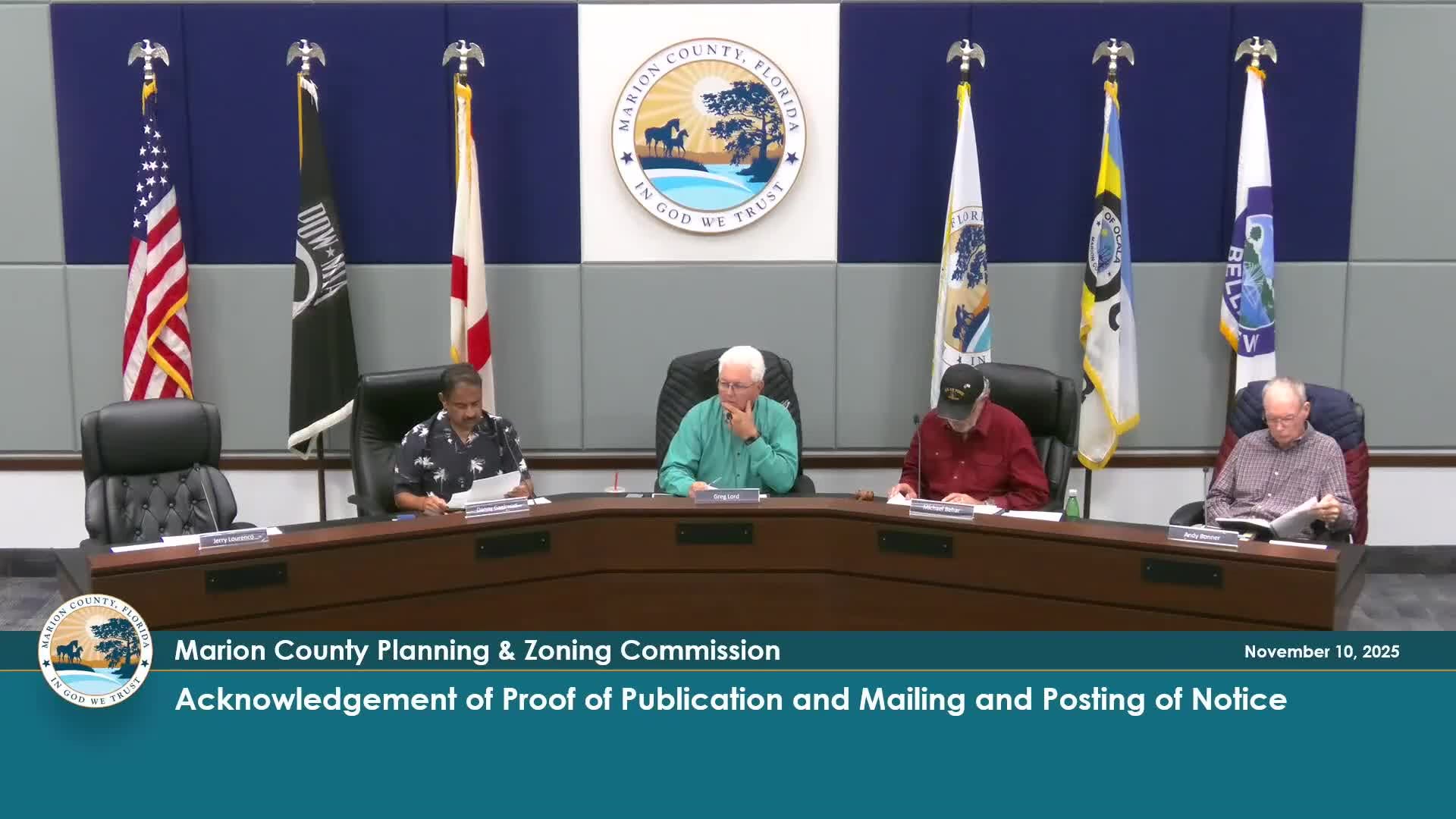
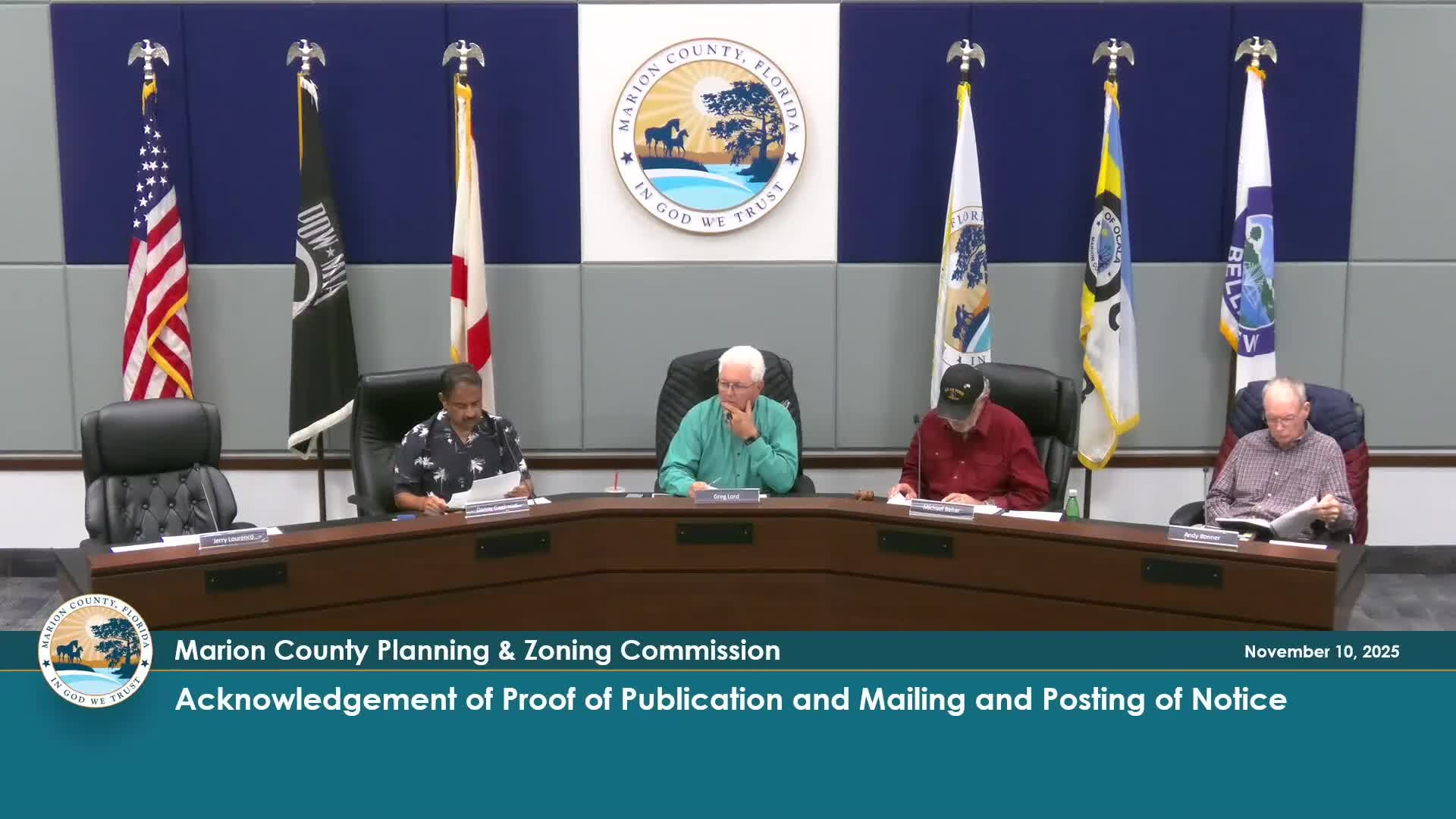
The request first came before the county’s Planning & Zoning Commission in fall 2025. After extensive public comment and organized neighbor opposition, the applicants requested — and were granted — a continuance. The matter was rescheduled for January 20, 2026, when the Board of County Commissioners ultimately voted to approve the permit with conditions.
On paper, the process worked. The applicants followed the rules, submitted the required materials, and received approval.
In practice, the case reveals how fragile small-scale farming can be once it enters the discretionary zoning process.
The objections — and why they mattered
During public hearings, neighboring residents raised three broad categories of concern:
- Nuisance impacts
Potential odors, noise, flies, and the presence of livestock in a residential area. - Water and flooding concerns
Claims that animal waste could affect groundwater or nearby wells, and that the property’s location created flood-risk complications. - Neighborhood compatibility
Assertions that a farm — even a small one — was incompatible with the existing character of surrounding homes.
What’s notable is not that neighbors objected. That’s common.
What matters is how these objections functioned within the zoning process.
None of the concerns required proof of an existing code violation. The standard applied was not “Is the applicant violating the law?” but rather “Could this use negatively impact nearby properties?”
That shift — from enforcement to prediction — is where many small farm proposals begin to wobble.
Approval did not end scrutiny — it formalized it
The permit was granted with conditions.
Those conditions included limits on:
- The number and type of animals allowed
- Manure storage and handling practices
- Setbacks and operational constraints
This is standard practice for special use permits. But it carries an under-discussed consequence:
The farm is now permanently regulated through a discretionary approval rather than a by-right use.
That means:
- Operations are defined not only by the code, but by hearing transcripts and permit language
- Future complaints are evaluated against permit conditions, not just general law
- Any deviation — real or alleged — can trigger review, enforcement, or revocation proceedings
In short, the farm survived — but under supervision.
Why Right-to-Farm didn’t stop the fight
Florida’s Right-to-Farm Act is often misunderstood.
It is primarily a nuisance-liability shield, designed to protect existing agricultural operations from being sued or shut down after nearby development encroaches. It does not override zoning.
In this case:
- The applicants were not an established farm seeking protection
- The property was zoned residential
- Land-use permission had to come first
Right-to-Farm protections typically attach after a farm is lawfully established and operating in accordance with generally accepted agricultural practices. They do not grant an automatic right to farm anywhere.
As a result, zoning boards — not agricultural law — controlled the outcome.
Why this case matters beyond Marion County
This was not a denial. It was not a lawsuit. There were no fines or cease-and-desist orders.
And that’s precisely why it matters.
Across the country, small farmers and homesteaders are encountering the same structural reality:
- Special Use Permits turn farming into a revocable privilege
- “Compatibility” standards invite subjective judgment
- Neighbor opposition becomes evidentiary — even without violations
When agricultural use is discretionary rather than by right, survival often depends less on compliance and more on persuasion.
The Marion County applicants succeeded. Others won’t.
The system that placed this farm at risk remains fully intact.
Mini-Farm Zoning Checklist
What homesteaders should expect before applying
Before you apply
- Verify whether agriculture is allowed by right or only by Special Use Permit
- Read the zoning code definitions — “farm,” “agriculture,” and “accessory use” matter
- Assume neighbors will be notified and will organize
Expect objections that are not violations
- Odor, noise, flies, aesthetics
- Hypothetical water or groundwater impacts
- Claims about “neighborhood character”
Prepare documentation
- Animal counts and species limits
- Manure management plan
- Drainage, setbacks, and fencing details
- Written responses to nuisance concerns
Understand the risk of approval
- Conditions become enforceable law
- Operations are frozen to permit language
- Complaints don’t end after approval — they often increase
Right-to-Farm is not a zoning permit
- It rarely applies before a farm is established
- It does not override land-use restrictions
- Zoning comes first; protection comes later
Final takeaway
The Marion County mini-farm was approved — but only after navigating a process where compliance alone was not enough.
For small farms operating near growing suburbs, the lesson is clear:
The greatest risk is not breaking the rules.
It’s being subject to them.