
Why AEWR litigation matters even if you followed every rule
Yanasa TV News
There is no raid.
No cease-and-desist letter.
No headline with a crying farmer standing next to a field of unharvested crops.
And yet, one federal court order—already issued, still evolving—has the potential to unravel labor plans across U.S. agriculture without a single enforcement agent ever setting foot on a farm.

Most producers haven’t heard of the case. Many who have assume it’s political noise. Some believe it only affects “big ag.” Others are confident that because they followed the rules, they’re insulated.
That confidence may be misplaced.
Because this fight isn’t about whether you complied.
It’s about whether the rules you complied with still legally exist.
And when labor enforcement finally does arrive—months or even years from now—this litigation will be the document agencies point to when they say: “The rules changed.”
What AEWR Actually Is (And Why It Matters More Than Visas)
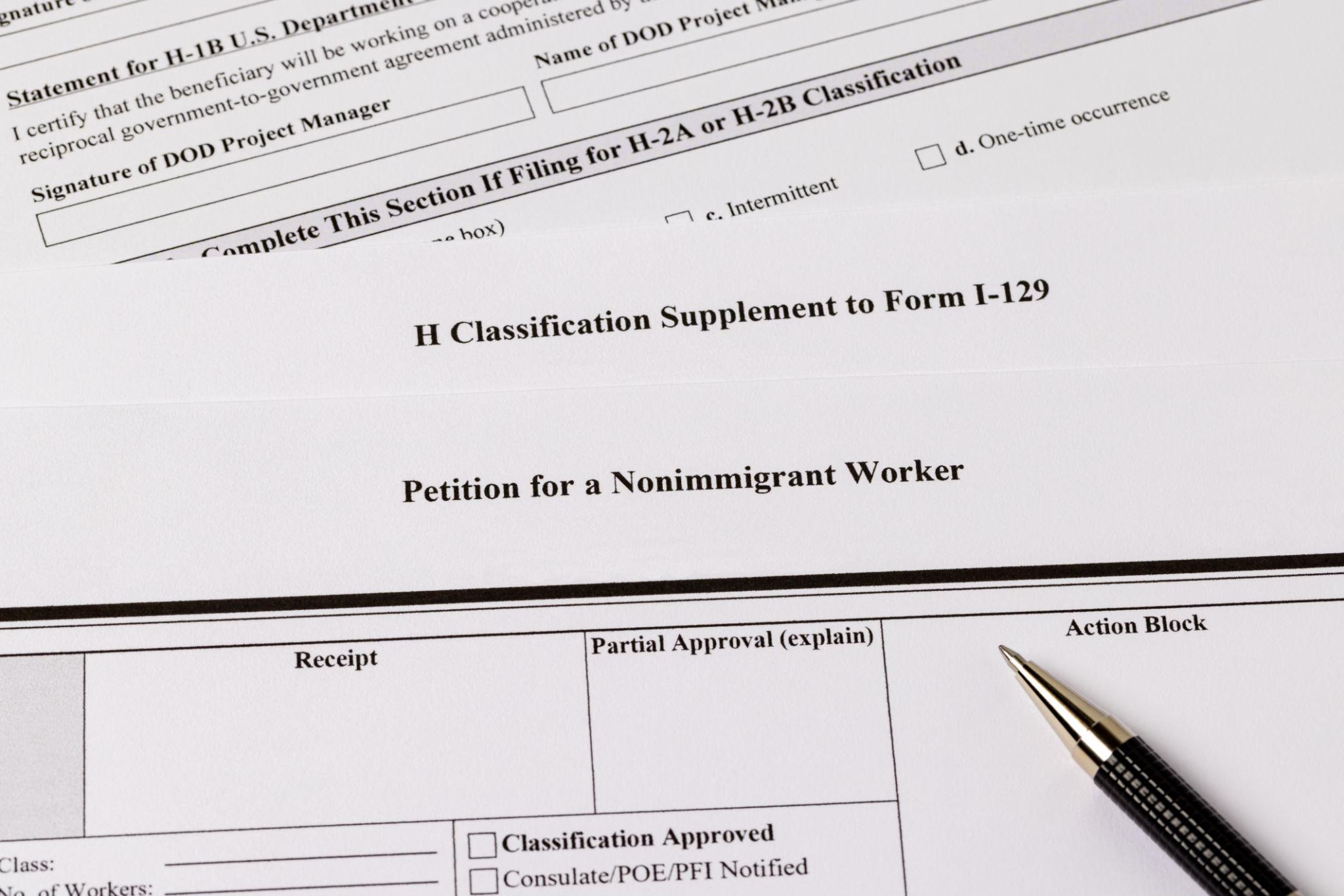
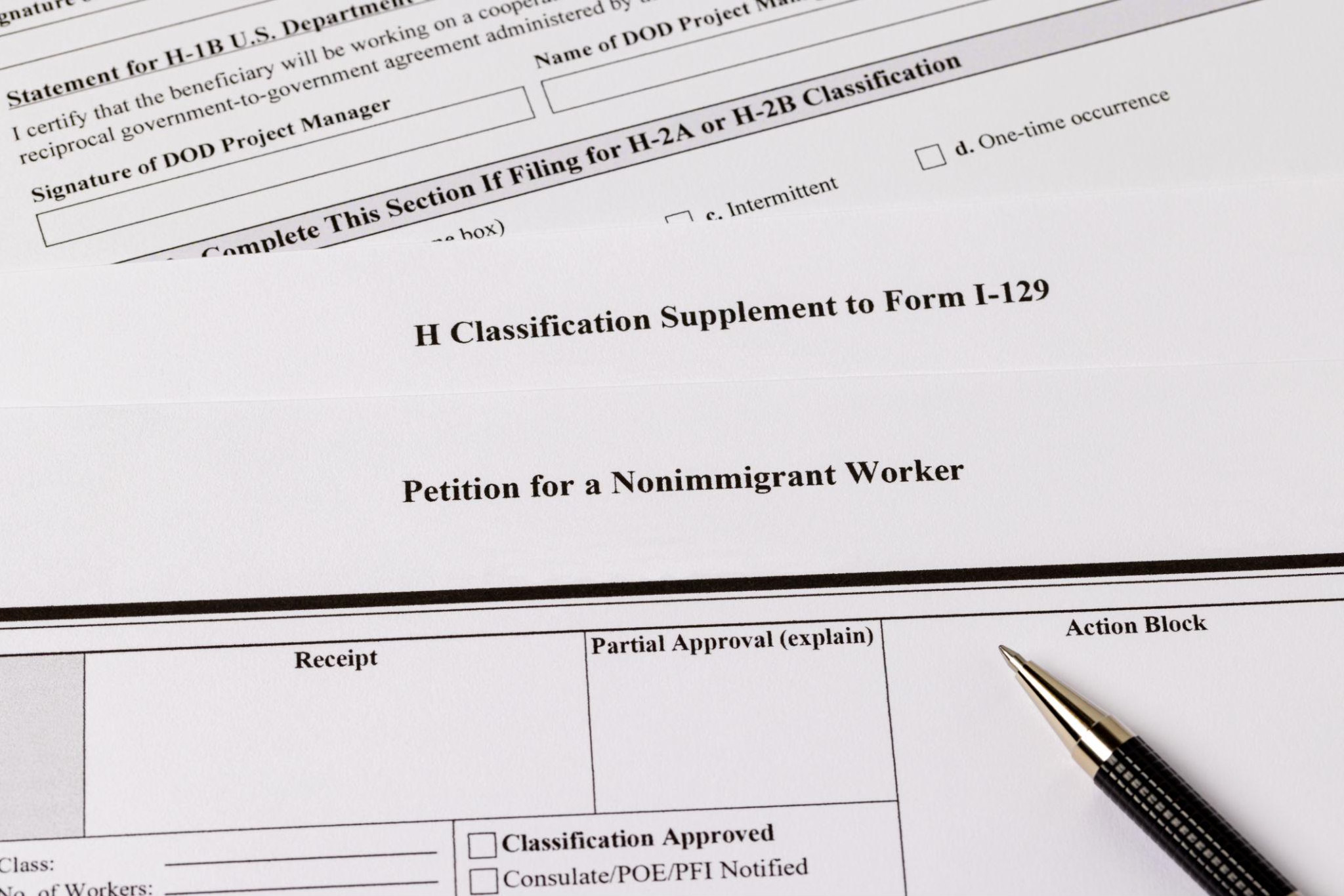
The Adverse Effect Wage Rate (AEWR) is the wage floor employers must pay H-2A guest workers—and, in many cases, domestic workers in corresponding employment.
It is not negotiated.
It is not regional discretion.
It is not flexible.
It is an annually calculated rate issued by the U.S. Department of Labor, based primarily on USDA farm labor survey data, designed to ensure that hiring foreign labor does not “adversely affect” U.S. workers’ wages.
In practice, AEWR has become one of the fastest-rising cost centers in labor-intensive agriculture.
Between 2019 and 2024, AEWR increased sharply in many states—sometimes by double digits year-over-year—without regard to commodity prices, weather losses, or mechanization limits.
For producers already navigating housing requirements, transportation mandates, recruitment paperwork, and audits under the H-2A program, AEWR is the fixed cost you cannot manage around.
Until now, it was treated as settled law.
That assumption is now under legal challenge.
The Litigation Most Farms Aren’t Tracking
A series of lawsuits—filed by agricultural employers, grower associations, and state-level interests—challenge whether the Department of Labor exceeded its statutory authority in how it calculates and applies AEWR.
At the center of the dispute is a deceptively technical question:
Did Congress actually authorize the Department of Labor to impose this wage-setting methodology on agricultural employers—especially when it produces outcomes detached from market conditions?
Plaintiffs argue that:
- The DOL relied on flawed or incomplete survey data
- The methodology improperly inflates wages beyond what statute intended
- The agency failed to adequately consider economic impact
- The rule functions as de facto price-setting without congressional approval
In at least one federal court ruling, portions of the AEWR rule were vacated or remanded, forcing DOL to revisit how it justifies the rate.
That doesn’t mean AEWR disappears tomorrow.
But it does mean the foundation is no longer solid.
Why This Isn’t “Just Politics”
Many producers instinctively tune out when labor policy becomes ideological. That instinct is understandable—and dangerous.
This litigation does not hinge on whether you support guest workers.
It does not hinge on immigration politics.
It does not hinge on party control.
It hinges on administrative law.
Specifically:
- How far agencies can go without Congress
- Whether economic modeling must reflect reality
- Whether compliance today protects you from liability tomorrow
If courts ultimately find that DOL overreached, agencies may be forced to:
- Rewrite AEWR rules retroactively
- Change wage benchmarks mid-cycle
- Reinterpret prior certifications
- Apply “corrected” standards in future audits
None of those outcomes require malicious intent.
All of them create exposure.
The Compliance Trap No One Is Talking About
Here is the uncomfortable truth:
You can follow every rule perfectly and still be out of compliance later—if the rule itself changes under court order.
Labor enforcement does not always punish bad actors.
It often punishes paper discrepancies discovered years after the fact.
If AEWR methodology is modified or partially invalidated:
- Past wage calculations may be questioned
- “Corresponding employment” obligations could shift
- Back-pay theories may be introduced
- Good-faith reliance may or may not protect employers
And because H-2A records are retained, audited, and cross-referenced, the paper trail already exists.
This is why enforcement often comes long after litigation ends.
Why There’s No Enforcement Victim—Yet
This story doesn’t have a face because enforcement hasn’t started.
Agencies rarely move while rules are under active judicial review.
They wait.
They document.
They prepare.
Once a legal standard stabilizes—especially one that strengthens agency authority or clarifies employer obligations—enforcement follows.
When that happens, reporters will scramble to explain what went wrong.
By then, it’s too late.
Who Should Be Paying Attention Right Now
This litigation matters if you:
- Use H-2A labor
- Are considering H-2A for the first time
- Compete with producers who use H-2A
- Employ domestic workers alongside guest workers
- Rely on multi-year labor planning
It matters even if:
- You paid the posted AEWR
- Your certifications were approved
- You passed prior audits
Because the question isn’t whether you complied.
It’s whether the compliance framework survives judicial review.
What Comes Next
Courts will continue to parse the limits of agency authority.
DOL will adjust language, justifications, or methodologies.
Industry groups will test those changes again.
Eventually, one of two things happens:
- AEWR is reaffirmed—with clearer authority and stronger enforcement
- AEWR is reshaped—creating a transition period full of uncertainty
Either outcome reshuffles labor risk.
And when enforcement finally appears, the agency won’t explain the backstory.
They’ll cite the rule.
Why This Story Matters Before Anything “Happens”
Most agricultural enforcement stories are written after damage is done.
This one isn’t.
This is the reference document.
The citation future inspectors will quietly rely on.
The legal hinge that turns compliance into liability—or protection.
If you want to understand agricultural labor enforcement before it shows up in your mailbox, this is the place to start.