
How Washington State Is Using “Paper Water” to Erase a Farm.
Yanasa TV News
A Hayfield, a Road, and a $121,000 Line in the Sand
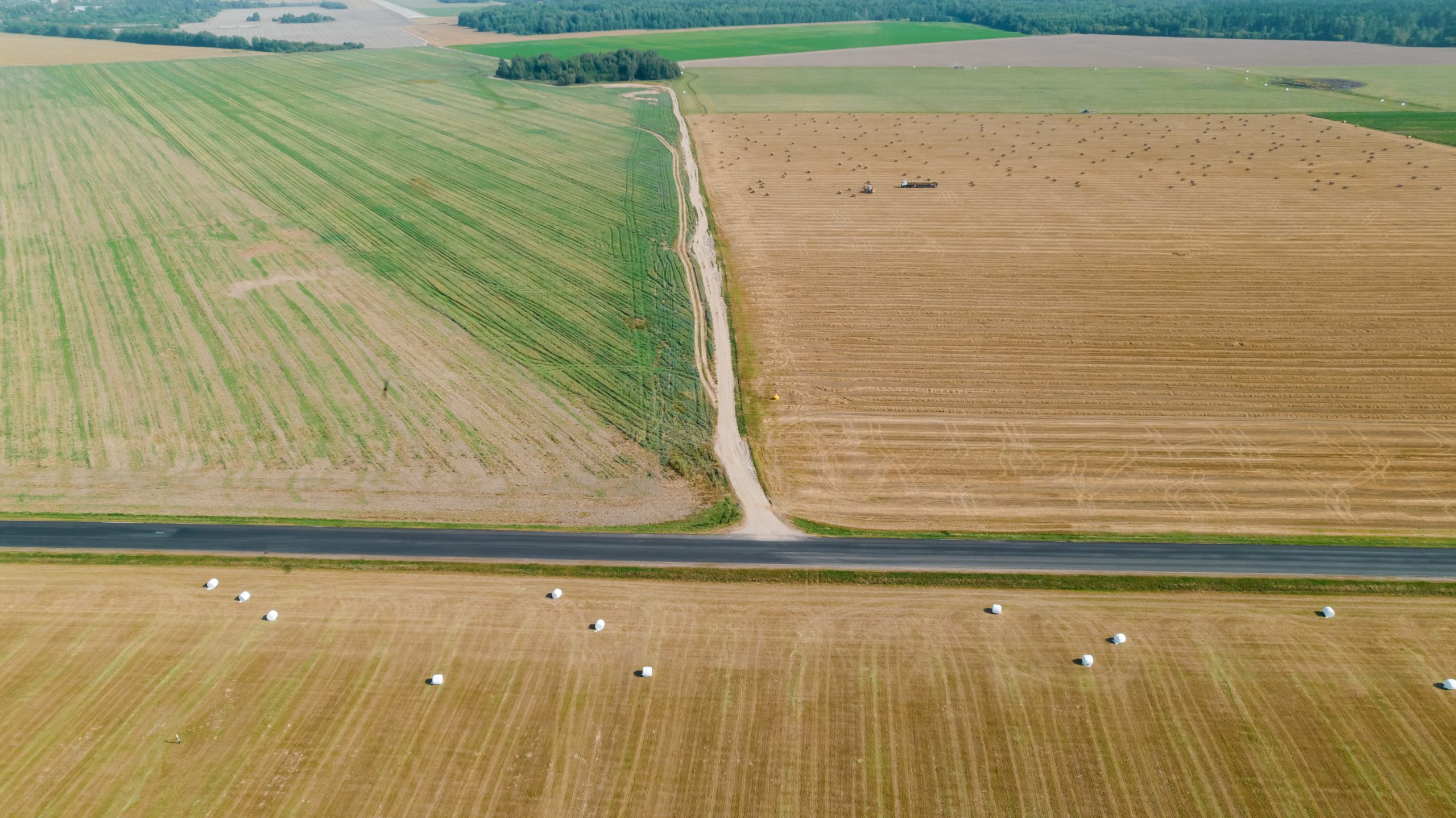
At 85 years old, Bob Greiff still does what his family has done since the early 1950s: grow hay on irrigated ground outside Deer Park.
There is no subdivision here. No new development. No speculative land play. Just a 69-acre hayfield that has been irrigated for decades.

But today, that same field has been reclassified by the state as a crime scene.
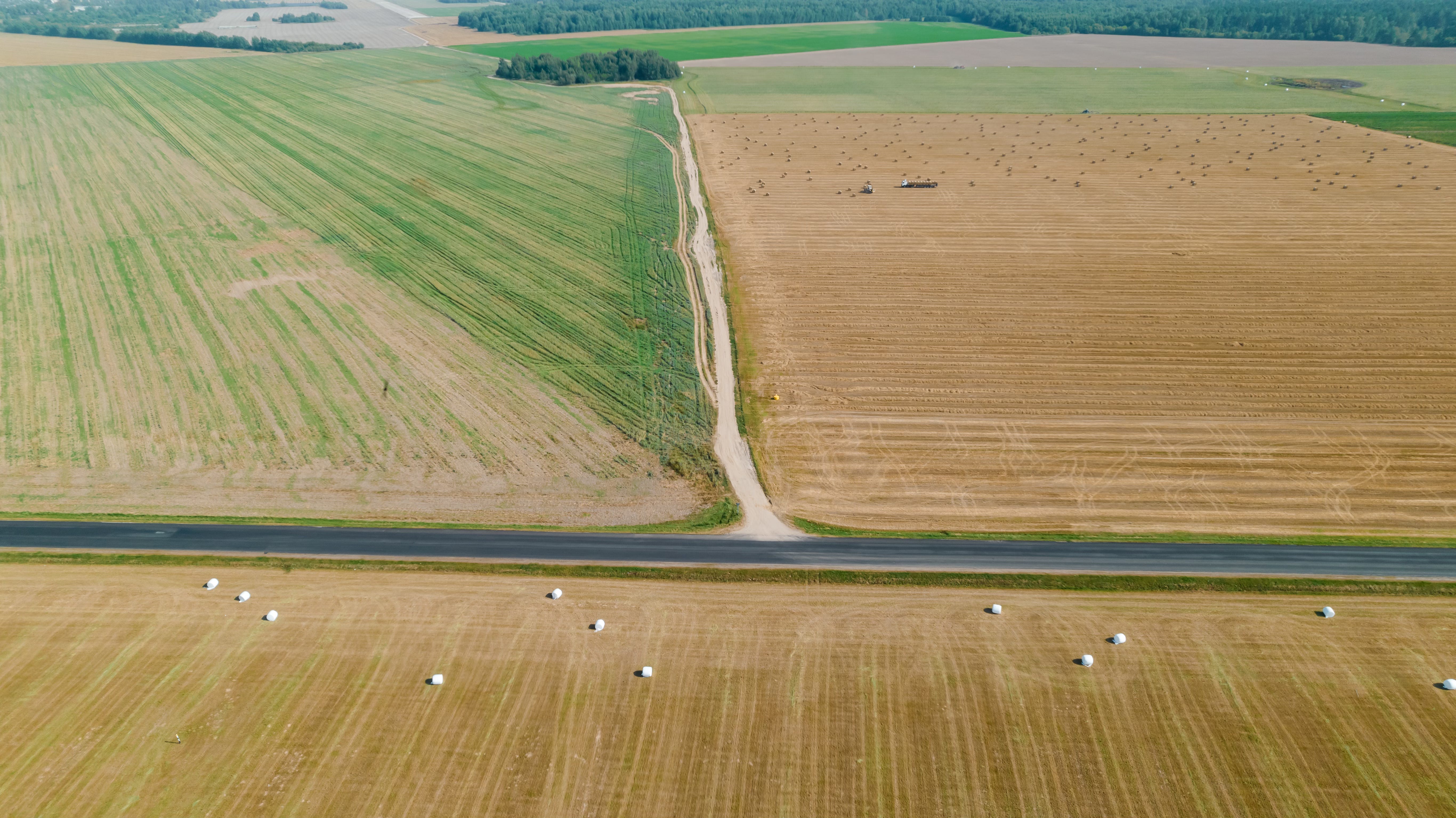
Washington’s Department of Ecology has fined Greiff $121,000, placed a lien on his farm, and labeled him an “illegal irrigator.” His alleged offense: applying water south of a road rather than north of it — despite holding senior water rights for the farm as a whole.
This is not a story about water scarcity alone.
It’s a story about how regulatory interpretation can become a weapon, and how “paper water” is increasingly allowed to override the physical reality of farms, fields, and history.
Senior Water Rights — Until They Aren’t
Greiff’s water rights predate most modern regulatory frameworks. They are senior rights, recognized under Washington law and historically tied to the land his family has farmed for over 70 years.
The dispute hinges on a bureaucratic reinterpretation:
- Ecology now claims those rights only apply to land north of a specific road.
- Irrigation south of that road, they argue, constitutes a new, illegal use — even though the land has been continuously irrigated since 1952.
This interpretation ignores how water was historically used, measured, and managed long before GIS maps, parcel IDs, and administrative overlays existed.
As one water-rights consultant familiar with the case put it:
“This is the worst abuse of discretion I’ve seen in my career.”
The Option That Was Never Offered
What makes this case especially revealing is not just what Ecology did — but what it refused to do.
Washington law allows:
- Seasonal transfers
- Point-of-use adjustments
- Administrative corrections when historical use can be demonstrated
According to multiple professionals who reviewed the situation, Ecology could have approved a simple seasonal adjustment to align Greiff’s water use with modern paperwork.
Instead, the agency chose maximum enforcement:
- Daily violation penalties
- Public press releases branding Greiff as an “outlaw”
- A property lien that threatens the farm’s future
This is not compliance assistance.
This is regulatory annihilation.
From Steward to “Environmental Criminal”
Ecology’s public framing of the case matters.
In official statements, the agency described Greiff’s irrigation as harmful to the Little Spokane River watershed — a serious accusation that places him in the same category as bad actors who knowingly divert water for profit or development.
But this framing omits key facts:
- No evidence of new diversion infrastructure
- No expansion of irrigated acreage
- No change in crop type or intensity
- No sudden spike in water use
The only thing that changed was the agency’s interpretation.
This is the modern enforcement model:
Reclassify long-standing use as illegal — then punish it retroactively.
Paper Water vs. Wet Water
Western water law was built around beneficial use — the idea that water rights are validated by actual, productive use on the land.
What we’re seeing now is a shift toward paper water supremacy:
- If the map says no, the field doesn’t matter.
- If the parcel line moved, history is erased.
- If the application isn’t perfect, use becomes illegal.
In Greiff’s case, a road — not a river, not a watershed boundary — became the legal dividing line between lawful farming and criminal activity.
This is not water management.
It is administrative absolutism.
The Regulatory Death Penalty
The lien placed on Greiff’s farm is the quietest but most devastating tool in the state’s arsenal.
A lien:
- Prevents refinancing
- Blocks sale or transfer
- Discourages heirs from continuing the operation
- Slowly forces land out of agricultural use
No bulldozers.
No condemnation hearings.
Just paperwork.
This is how farms disappear in the modern era — not through eminent domain, but through enforcement fatigue.
A Familiar Pattern
For Yanasa TV, this story echoes others we’ve investigated across the West:
- Wetlands reclassified after decades of use
- Conservation rules rewritten mid-stream
- Agencies refusing simple fixes in favor of punishment
- Elder farmers targeted because they lack the resources to fight back
The pattern is unmistakable:
The smaller and older the operator, the harder the hammer falls.
What “Common Sense Reform” Would Look Like
This case is not an argument against environmental stewardship or water protection. It’s an argument against unchecked discretion.
Real reform would include:
- Mandatory consideration of historical use
- Required good-faith administrative solutions before penalties
- Limits on retroactive enforcement
- Independent review before liens are imposed
- Clear separation between compliance assistance and punishment
Water law should protect rivers and the people who have stewarded them for generations.
Why This Story Matters
If Bob Greiff can lose his farm over a road and a reinterpretation, then every irrigated farm is vulnerable.
This is not about one hayfield in Deer Park.
It’s about whether farming remains a land-based reality — or becomes a permission-based activity, revocable at will.
The land still grows hay.
The water still flows.
Only the paperwork changed.
And in modern agriculture, that can be enough to end everything.