
A billion-gallon pipeline proposal is igniting a fight over who controls the Midwest’s groundwater
Yanasa TV News
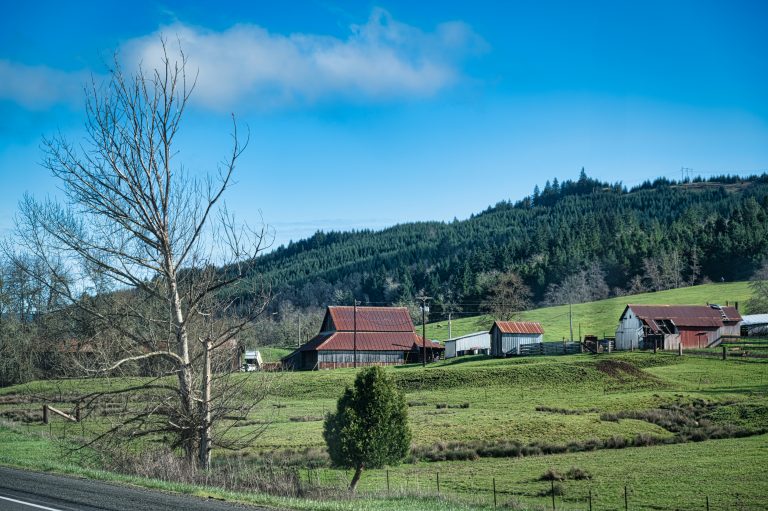
A quiet stretch of farmland in western Indiana has become the center of one of the most consequential water fights in the Midwest.
State officials want to move massive volumes of groundwater across county lines to support a fast-growing industrial technology corridor known as LEAP.

Farmers and rural residents say the project could drain the aquifer their communities rely on.
The dispute is quickly evolving into a larger question about the future of rural water in America: Should agricultural groundwater be redirected to fuel industrial growth?
The LEAP District and Indiana’s Technology Ambitions
The water controversy centers on the LEAP Research and Innovation District, a massive state-backed development project in Boone County, north of Indianapolis.
LEAP—short for Limitless Exploration/Advanced Pace—is designed to attract semiconductor manufacturing, advanced computing facilities, and high-tech industrial investment.
Indiana officials view the district as a centerpiece of the state’s economic development strategy, intended to compete with technology manufacturing hubs emerging across the United States.
The district has already attracted major corporate commitments.
One of the largest is a semiconductor facility planned by SK Hynix, a global memory chip manufacturer that announced a multi-billion-dollar advanced packaging plant at the site.
High-tech manufacturing, however, comes with a significant demand: water.
Semiconductor production and data infrastructure require large volumes of ultra-pure water for cooling and fabrication processes.
State planners estimate the LEAP district could require tens of millions of gallons of water per day once fully operational.
The Proposed Water Pipeline
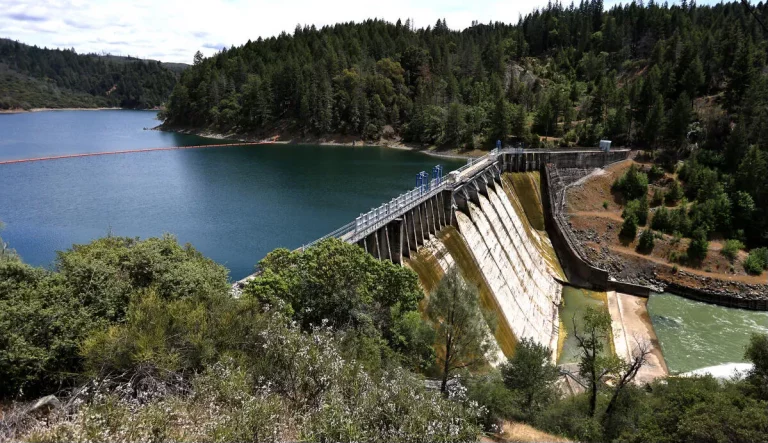
To supply that demand, Indiana officials have proposed a plan that would pump groundwater from rural western Indiana and pipe it roughly 40 miles east to the LEAP district.
The proposed source area lies in Tippecanoe County, an agricultural region whose groundwater system supports farms, rural households, and small communities.
Under the concept currently being explored, water would be drawn from the Wabash River aquifer system, then transported via pipeline to Boone County.
State officials argue the aquifer contains ample water reserves and that withdrawals would remain within sustainable limits.
But many local residents are unconvinced.
Farmers Fear Aquifer Decline
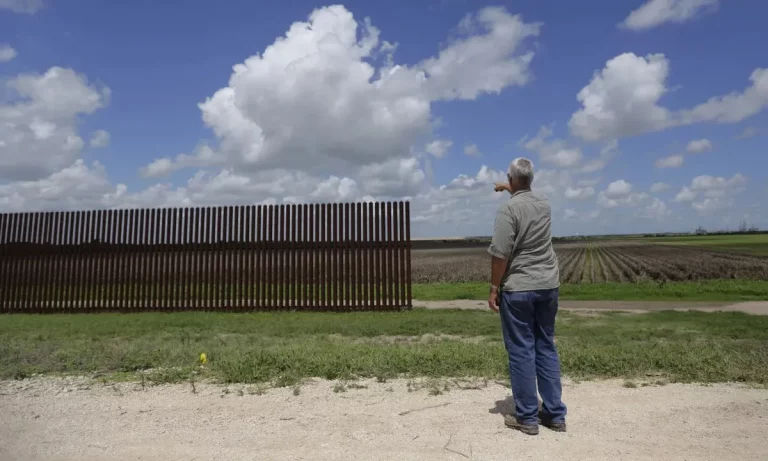
Farmers in the proposed pumping area worry that large-scale groundwater withdrawals could lower water tables and disrupt agricultural irrigation.
For operations already facing weather volatility and tight margins, even modest changes in groundwater levels could have significant consequences.
Rural residents are also concerned about private well impacts.
Many homes in the area rely on groundwater wells that could be affected if large-scale pumping alters aquifer pressure.
The fear is not only about immediate shortages.
Groundwater systems often respond slowly to changes, meaning impacts may appear gradually over years rather than months.
Opponents argue that by the time problems emerge, the industrial infrastructure depending on the water will already be in place.
A Growing Political Fight
The proposal has triggered a wave of public meetings, protests, and calls for legislative intervention.
County officials in the potential pumping region have raised concerns about whether local communities will have meaningful control over water decisions that could reshape their long-term water security.
Some residents argue the plan effectively exports rural groundwater to subsidize urban industrial expansion.
That framing has resonated strongly in farm communities where water access is viewed as a foundational agricultural resource.
State lawmakers have begun discussing possible legislation that would impose stricter review processes on large inter-basin water transfers.
Such policies could require detailed hydrological studies, environmental reviews, and local approvals before major groundwater exports are allowed.
The Economic Development Argument
State leaders backing the project argue the LEAP district represents a generational economic opportunity.
Semiconductor manufacturing has become a national priority as the United States seeks to reduce dependence on overseas chip production.
Projects like the SK Hynix facility are expected to bring thousands of jobs and billions of dollars in investment to Indiana.
Supporters say water infrastructure is a necessary component of building a globally competitive technology manufacturing hub.
From their perspective, the question is not whether water should support economic development—but how to supply it responsibly.
They argue careful monitoring and hydrological modeling can ensure groundwater withdrawals remain sustainable.
A Preview of Future Water Conflicts
The LEAP water dispute reflects a broader trend unfolding across the United States.
As industries such as semiconductor manufacturing, artificial intelligence infrastructure, and advanced data centers expand, industrial water demand is rising rapidly.
These facilities often require consistent, high-volume water supplies.
Many of them are being built in regions historically dominated by agriculture.
The result is a new form of water competition:
- rural groundwater systems
- urban growth
- industrial expansion
- agricultural production
In regions with limited water governance frameworks, those pressures are beginning to collide.
Why the LEAP Fight Matters
The outcome of Indiana’s water transfer debate could establish an important precedent.
If large-scale groundwater exports from rural agricultural areas become normalized to support industrial development, similar proposals may follow across other states.
That possibility has caught the attention of farm organizations and water policy analysts nationwide.
Agriculture remains the largest water user in many parts of the United States.
But as technology manufacturing and data infrastructure expand, the competition for water is likely to intensify.
For the farmers watching the LEAP debate unfold, the issue is about more than a single pipeline.
It is about whether rural groundwater—long considered a local agricultural resource—will increasingly be redirected to power the next phase of America’s industrial economy.
And whether the communities that depend on that water will have a meaningful voice in how it is used.