
As AI infrastructure explodes, states and counties across America are hitting pause
Yanasa TV News
The artificial intelligence boom has triggered one of the fastest infrastructure expansions in modern history.
Across the United States, massive data centers—some the size of small towns—are rising outside rural communities, often promising jobs, tax revenue, and economic growth.

But increasingly, local governments are pushing back.
From the Midwest to the Mountain West, counties and states are beginning to impose moratoriums, zoning freezes, and new review processes on data center construction as concerns grow over water use, energy demand, farmland loss, and grid strain.
For rural communities, the question is becoming unavoidable:
How much infrastructure should be built to power the digital economy—and who bears the cost?
The AI Infrastructure Boom
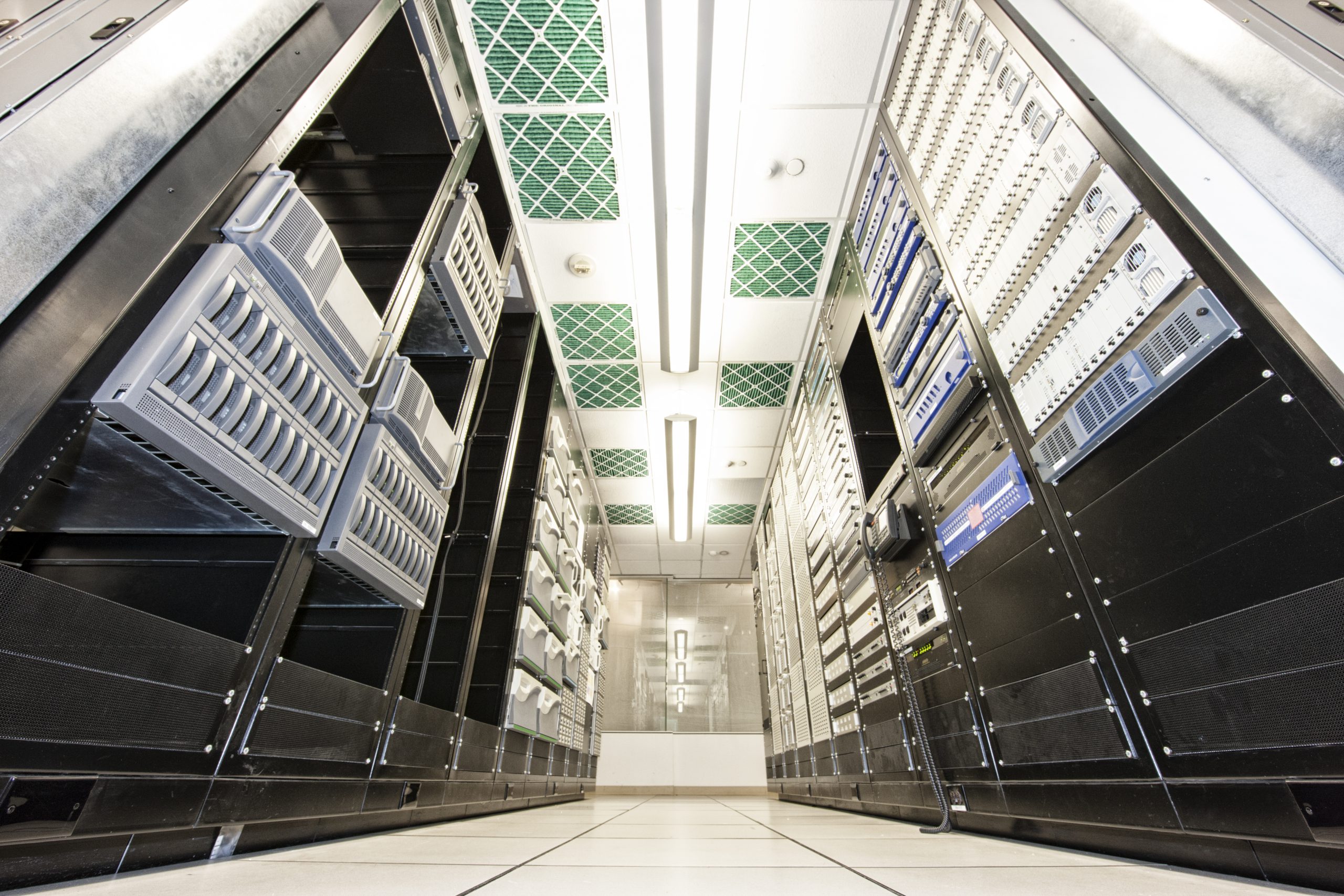
Data centers are the physical backbone of artificial intelligence.
Every AI model, cloud service, streaming platform, and digital tool ultimately runs on thousands of servers housed in warehouse-scale computing facilities.
Over the past three years, demand has surged dramatically as companies race to build infrastructure capable of supporting large AI systems.
Major technology companies—including:
- Amazon
- Microsoft
- Meta
have announced tens of billions of dollars in new data center construction across the United States.
Many of these projects are being located in rural areas where land is cheaper and zoning restrictions historically looser.
But the scale of these facilities has begun to raise new concerns.
Why Communities Are Slamming the Brakes
Data centers bring economic activity, but they also consume enormous resources.
Large facilities can require:
- millions of gallons of water per day for cooling
- massive electricity demand equivalent to small cities
- hundreds of acres of land
- new transmission infrastructure
For local communities, the impacts can appear suddenly.
Rural areas accustomed to farms and small towns can find themselves facing proposals for gigawatt-scale power demand and industrial campuses covering thousands of acres.
As a result, some jurisdictions are choosing to slow the process down.
Moratoriums allow local governments to pause approvals while they study:
- energy impacts
- water demand
- zoning compatibility
- tax incentives
- long-term infrastructure costs
States and Counties Implementing Data Center Moratoriums
A growing number of jurisdictions across the United States have introduced temporary restrictions or regulatory pauses.
Arizona
Several fast-growing counties have begun examining new limits on water-intensive developments, including data centers, as the state confronts long-term groundwater shortages.
Officials are reviewing how large industrial water users fit into regional water management plans.
Oregon
Local governments have debated new restrictions on large data center campuses due to concerns about electricity demand and transmission infrastructure expansion.
Energy regulators are evaluating whether grid upgrades will be required to accommodate AI-driven computing growth.
Virginia
Northern Virginia remains the largest data center hub in the world.
But explosive growth has triggered zoning debates in surrounding counties where residents worry about power infrastructure expansion, visual impacts, and land conversion.
Several local governments have introduced stricter zoning requirements or slowed approvals.
Indiana
Communities examining industrial growth linked to technology manufacturing—including the LEAP research district—have begun scrutinizing water demand associated with tech infrastructure.
Water transfers and aquifer impacts are becoming a central part of the policy conversation.
Texas
Rapid data center expansion tied to artificial intelligence has triggered concerns among energy regulators about grid reliability and peak electricity demand.
Officials are exploring new planning frameworks to ensure energy infrastructure keeps pace.
The Power Problem
Electricity demand is emerging as the single biggest constraint.
Modern AI data centers consume enormous power.
Some large campuses now require hundreds of megawatts of electricity, equivalent to the power consumption of entire cities.
Utility planners warn that rapid construction of AI infrastructure could dramatically increase grid demand across several states.
Meeting that demand may require:
- new power plants
- expanded transmission lines
- large-scale battery storage
- new renewable generation
Those infrastructure upgrades often involve additional land use conflicts and regulatory approvals.
Water Is the Other Pressure Point
While electricity gets most of the attention, water consumption is increasingly becoming a flashpoint.
Many data centers rely on evaporative cooling systems that consume large volumes of water during hot weather.
In arid regions, that demand is colliding with long-term drought concerns.
Some communities now require developers to disclose expected water consumption before projects receive zoning approval.
Others are studying whether limits should be imposed on high-water-use industrial facilities.
For rural communities dependent on aquifers, those decisions can carry long-term consequences.
Rural America’s New Infrastructure Debate
Historically, rural economic development revolved around manufacturing plants, warehouses, or agricultural processing facilities.
Data centers represent a different type of development.
They often require:
- huge power connections
- specialized fiber networks
- water infrastructure
- relatively small permanent workforces
Critics argue that some communities may be trading large amounts of land, water, and electricity for relatively modest job creation.
Supporters counter that data centers generate significant tax revenue and place regions at the center of the global digital economy.
Why the Moratorium Movement Is Growing
Moratoriums are not necessarily permanent bans.
Most serve as policy breathing room, allowing governments to catch up with a rapidly changing infrastructure landscape.
Local officials want time to answer fundamental questions:
- How much water should a data center be allowed to consume?
- How will electricity demand affect local grids?
- Should farmland be converted into computing campuses?
- Who pays for the infrastructure required to support these facilities?
As artificial intelligence continues expanding, those questions are likely to appear in more communities.
The Next Land Use Frontier
For decades, rural land battles focused on housing developments, pipelines, wind farms, or transmission lines.
Now a new competitor has entered the landscape:
the digital economy’s physical footprint.
Data centers may appear invisible when viewed through a smartphone screen.
But the infrastructure required to power them—land, water, electricity, and transmission—exists in the real world.
And increasingly, that world is rural.
As counties across the United States impose moratoriums and regulatory pauses, the emerging Data Center Moratorium Tracker tells a larger story.
The race to build the infrastructure of artificial intelligence is accelerating.
But rural America is beginning to ask whether the pace—and the price—are worth it.