
When a utility sues its way onto pastures before it earns local permits, that’s not progress—it’s a breach of trust.
Yanasa TV News
Out on the high grass of Elbert and El Paso counties, the story is simple: families who stewarded these rangelands for generations woke up to find their fences on the wrong side of a statewide crusade. Xcel Energy’s 345-kV Colorado Power Pathway—marketed as climate progress and reliability—hit a wall where the “public good” meets private dirt. Ranchers said no. County planners said not yet. And before the dust settled, the state’s largest utility marched into court to force entry onto people’s land. That sequence says everything.

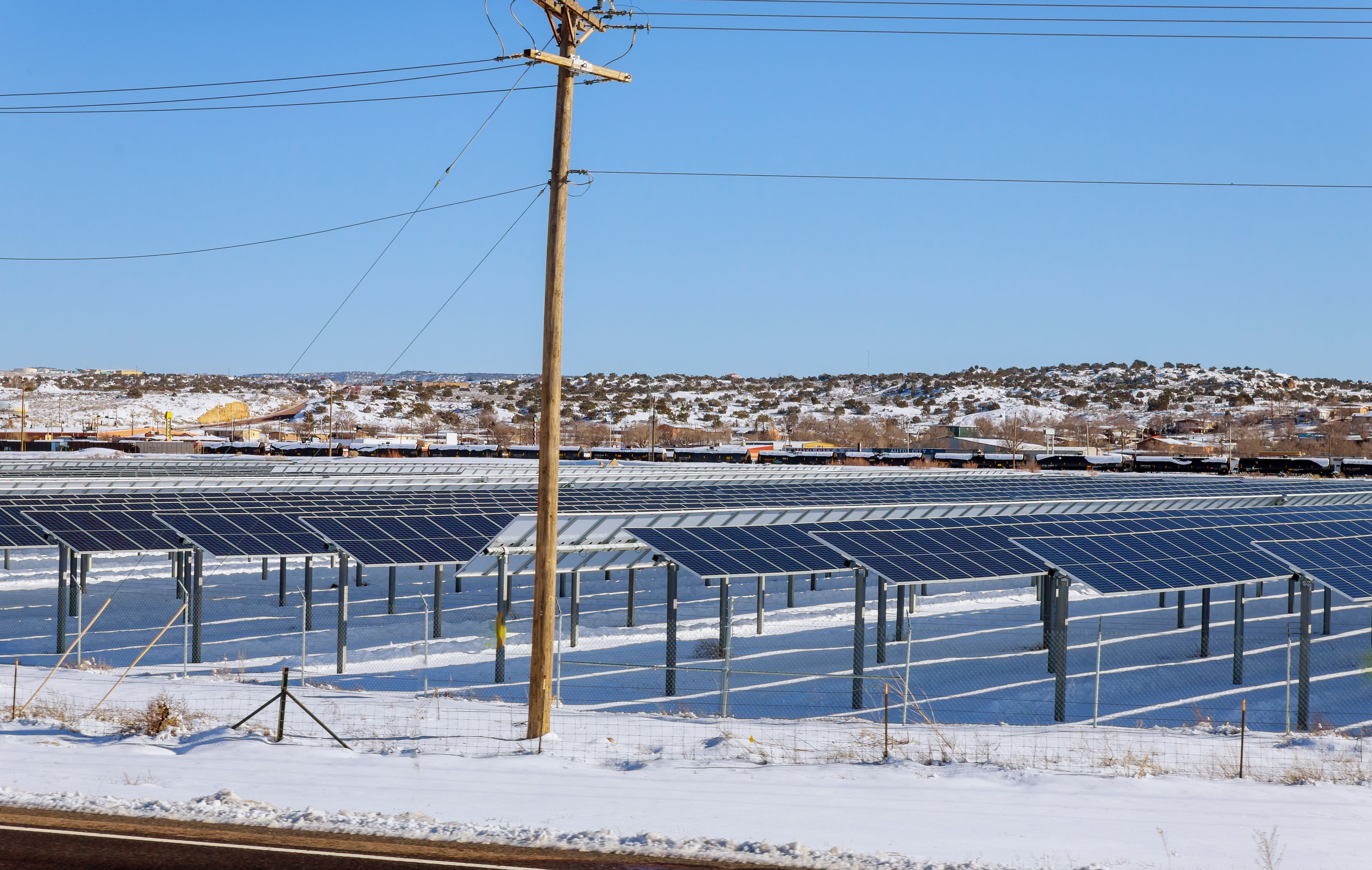
This isn’t a tantrum against electrons or renewables. It’s a refusal to be treated as a sacrifice zone. On June 4, 2025, the Elbert County Planning Commissionunanimously recommended denial, citing unresolved issues including fire protection and air quality. On June 25 and July 2, the Board of County Commissioners made it official: permits denied under both the 1041 process and special-use review for failing to meet county criteria. Their rationale was unimpeachably local: risk, readiness, and fairness.
Instead of fixing those shortcomings, Xcel moved first to court-ordered entry against multiple holdout properties—then sued Elbert County to overturn the denial. Read that again: sue the neighbors, then sue the county. For a company asking to be trusted with 345-kV steel across backyards, it’s a telling order of operations.
Meanwhile, El Paso County took a hard look and voted 5–0 on July 24 to reject its piece of Segment 5, again citing fire risk, minimal local benefit, and unanswered questions. Two counties, same verdict: not like this.
The legal frame the ranchers are right to insist on
Xcel points to its statewide Certificate of Public Convenience and Necessity—won at the Colorado PUC on June 2, 2022—as if that ends debate. It doesn’t. A CPCN says a project may proceed in principle; county 1041 and land-use permits still govern where and how it’s built. That’s the balance Colorado chose: state need against local impacts. When a utility treats local permitting as an afterthought—then sues when locals enforce it—counties are right to plant their boots.
What the ranchers are defending (and why it matters beyond cattle)
Ranch country is not empty space on a map. It’s production, habitat, and a wildfire reality that gets real every summer. A double-circuit 345-kV line pushing close to homes and pastures isn’t just a view issue—it’s evacuation planning, insurance, and liability if something goes wrong. Elbert’s record flags gaps in fire protection agreements and other basics that should have been buttoned up before the first condemnation filing. Saying “hold up” here is not NIMBY; it’s due diligence from people who will be first on the hook if the plan fails.
There’s also the fairness problem. The Front Range harvests most of the benefits in reliability and load growth; the Eastern Plains shoulder the poles, easements, and risk. When a commissioner says, “This line serves no purpose here for Elbert County,” that may be blunt—but it’s a policy point, not just a soundbite. If a project’s benefits bypass the host community, the burden can’t be waved away as “for the greater good.”
The utility’s case—good aims, bad process
Yes, Colorado needs transmission to connect wind, solar, and storage (so they say)—Xcel’s own materials frame Pathway as a $1.7B backbone enabling thousands of megawatts. But good ends don’t absolve bad process. The company is fully capable of sequencing filings, negotiating real community benefits, and showing granular fire-mitigation plans tied to local departments—in writing—before seeking survey access in court. Progress that tramples process isn’t progress; it’s a shortcut with a bill that lands on someone else’s kitchen table.
A better way forward (that doesn’t make ranchers the villain)
- Fix the order of operations. No survey lawsuits until county completeness findings are cleared and specific mitigation agreements are signed. That’s a self-imposed discipline Xcel could announce tomorrow.
- Pay for the risk, not just the dirt. Easement offers should reflect fire exposure, operational disruption, and stigma—not just square footage—plus a standing fund for vegetation management and post-event remediation that ranchers can actually draw from. (Elbert flagged exactly these concerns.)
- Reroute/underground where the risk is intolerable. It’s expensive—but so is a decade of litigation and community warfare. If the project is truly essential, targeted undergrounding or moving farther from homes is a rational trade.
- Community benefit agreements that mean something. Not generic talking points—write in local reliability upgrades, emergency comms improvements, and tax-base reinvestment pegged to the actual impact corridor. (El Paso and Elbert’s votes make clear the existing offer wasn’t persuasive.)
Ranchers aren’t blocking clean energy; they’re blocking arrogance. Colorado chose a system where state need meets local consent. In 2025, two counties exercised that consent and said no to Segment 5 as proposed. The burden now lies with Xcel to earnits way back—on the counties’ terms and the ranchers’ timeline—not a judge’s stopwatch.
If the “green grid” is worth building, it’s worth building without treating the people who feed Colorado like obstacles to be cleared. Respect the land, respect the process, and the wires can follow. Disrespect either—and the courts won’t fix what the community rejects.