
How Housing in Leeds Fueled Distrust Over Rural Land Use, Conservation, and the Displacement of Ranching in the American West
Yanasa TV News
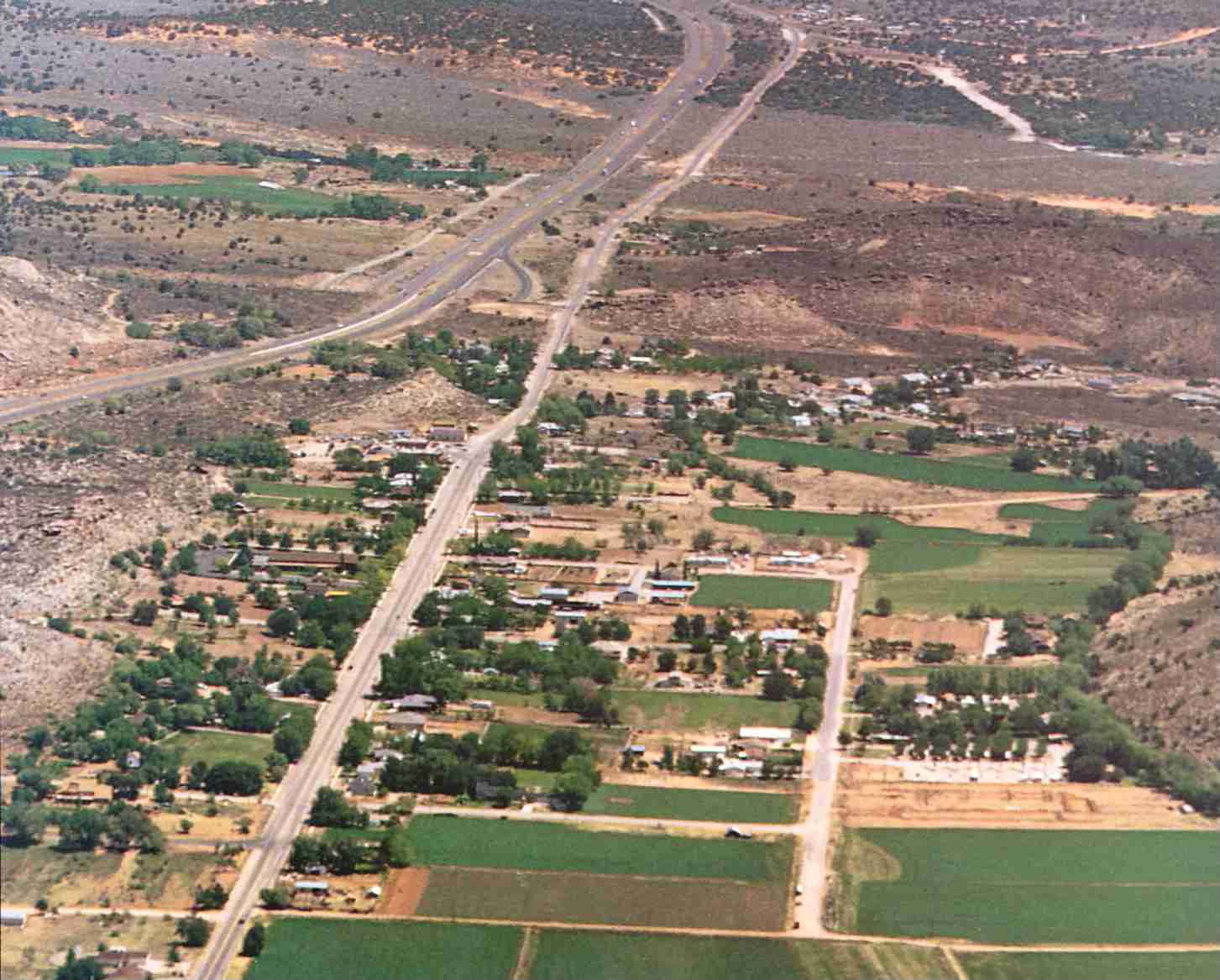
In the rural outpost of Leeds, Utah, a new housing and commercial project rises where open space once stretched toward red cliffs and the Mojave desert winds. For residents and the ranching families whose roots run generations deep, the construction is more than a sign of economic growth—it’s a bitter reminder of the promises made and broken in the name of conservation.

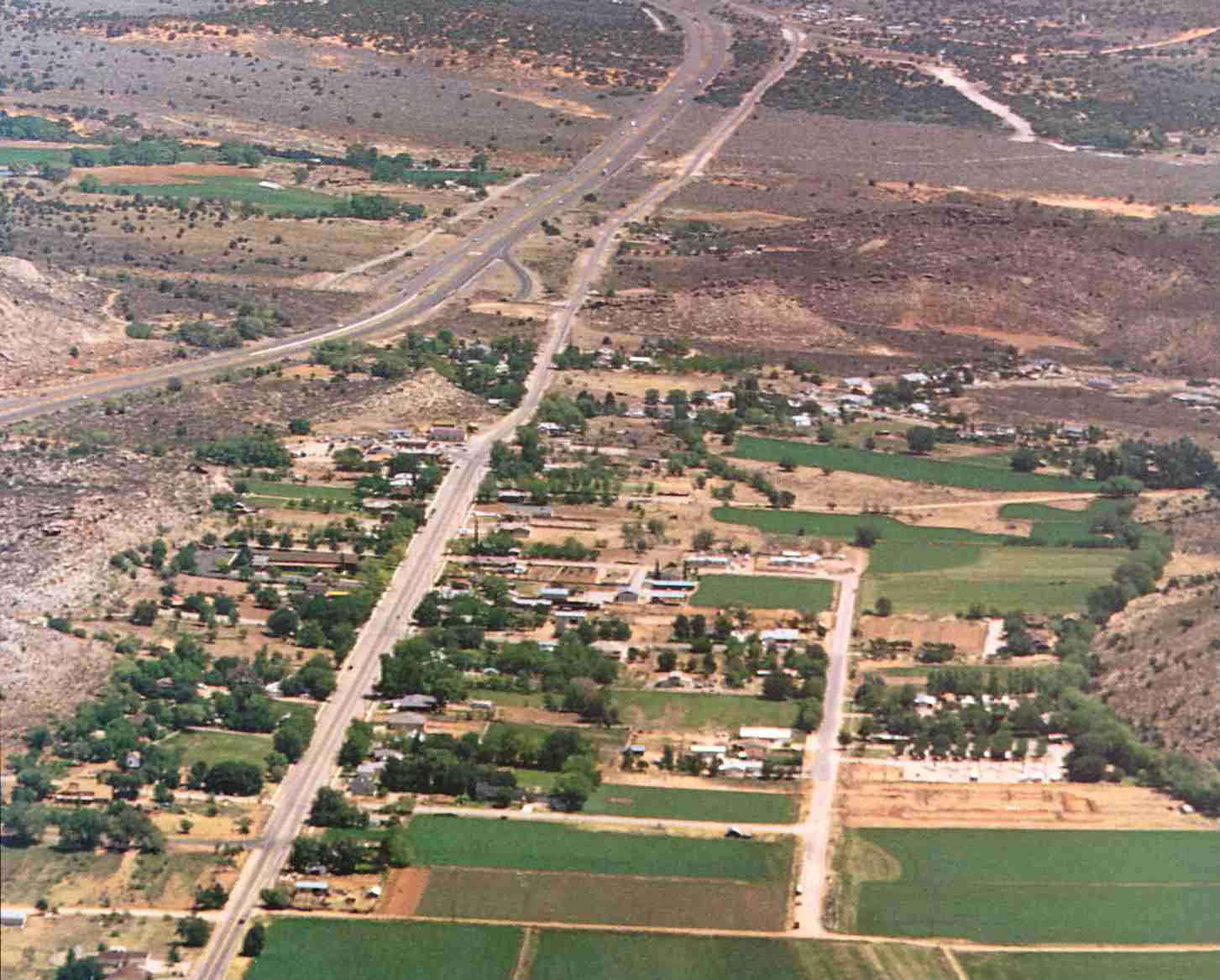
Three decades ago, ranchers were forced off these lands—public grazing allotments rescinded in the 1990s to protect the endangered Mojave desert tortoise under the federal Endangered Species Act. Now, as bulldozers clear land once set aside for wildlife, many are asking: Was the sacrifice for species, or for suburban sprawl? Is economic development now trumping the very conservation goals used to drive rural families off the land?
The 1990s Land Grab for Conservation
The origins of the Leeds controversy lie in the early 1990s, when the Mojave desert tortoise was listed as an endangered species. In response, the federal government and Washington County crafted the Habitat Conservation Plan (HCP)—an innovative, if contentious, agreement meant to reconcile southern Utah’s explosive growth with the need to protect sensitive species.
Under the HCP:
- More than 61,000 acres in Washington County were set aside as reserve habitat for the tortoise and other wildlife.
- Public land grazing permits, like those held by the Johnson family near Leeds, were rescinded or severely curtailed.
- “While you may not personally agree with the HCP and its purpose, we feel this is the only way to balance protection of threatened and endangered species with private development,” wrote Fish and Wildlife Field Supervisor Reed Harris to one rancher in 1995.
- Ranchers, denied the ability to graze, sold off herds and livelihoods, told their sacrifice served the greater good of conservation.
For decades, that rationale—species over stock, conservation over cattle—was the law of the land. But the uneasy truce between development and preservation was built on a shifting foundation.
At the Center of It All
At the heart of the conservation controversy in Washington County lies the Mojave desert tortoise (Gopherus agassizii), a slow-moving reptile native to the arid landscapes of the American Southwest. Federally listed as a threatened species in 1990, the tortoise’s fragile existence has shaped land management across vast stretches of California, Nevada, Arizona, and Utah. In southern Utah, particularly around Leeds and St. George, its habitat overlaps with rapidly expanding human communities. Long-lived and slow to reproduce, the Mojave desert tortoise spends most of its life sheltered in underground burrows, making it especially vulnerable to habitat loss from development, off-road vehicles, disease, and drought. Considered a keystone species, its burrows provide refuge for numerous other desert animals, and its decline has triggered sweeping changes in land use—most notably the establishment of the Red Cliffs Desert Reserve and the curtailment of traditional ranching practices. For many, the tortoise has become both a symbol of the West’s environmental heritage and a flashpoint in the struggle between conservation, rural livelihoods, and urban growth.
More About the Mojave Desert Tortoise
Scientific Name:
Gopherus agassizii
Range:
- Native to the Mojave Desert in the southwestern United States, including parts of California, Nevada, Arizona, and Utah.
- In Utah, its habitat is focused in the far southwestern corner—primarily in Washington County near St. George and Leeds.
Habitat:
- Prefers creosote bush scrub and desert grasslands, often with sandy or gravelly soils.
- Spends up to 95% of its life underground in burrows to escape the desert heat and conserve moisture.
Conservation Status:
- Federally listed as threatened under the U.S. Endangered Species Act (ESA) in 1990 (Western/Mojave population).
- Threats include urban development, habitat fragmentation, off-road vehicle use, disease (upper respiratory tract disease), invasive plant species, and historic overgrazing.
Life History:
- Long-lived: can exceed 50 years in the wild.
- Slow to mature: takes 15-20 years to reach breeding age.
- Low reproductive rates and high juvenile mortality—making populations especially vulnerable to habitat disruption.
Why So Much Focus on the Mojave Desert Tortoise?
- Considered a keystone species: Its burrows provide shelter for many other desert animals.
- Declining populations: Surveys in some areas indicate declines of 50% or more since the 1980s.
- The listing triggered major land use changes across the Southwest, including creation of protected reserves, restrictions on grazing, and curbs on off-road vehicle access.
In Utah:
- The Red Cliffs Desert Reserve (62,000+ acres) was established in Washington County as a “safe haven” for the species as part of the Habitat Conservation Plan (HCP).
- Ranchers lost access to public land grazing in key tortoise habitat as part of these protections.
- Despite these efforts, the population continues to face pressures from development, drought, wildfires, and invasive species (like cheatgrass, which increases fire risk).
The Domino Effect That Opened the Door for Development
A critical and often overlooked aspect of the Leeds saga—and similar cases across the West—is how canceling grazing rights on public land didn’t just affect cattle operations; it triggered a chain reaction that made private development more likely.
1. Ranchers Forced Out of Business
- Public Land Was Essential: Ranchers in the Leeds area, like most of the West, depended on public land grazing allotments as a central part of their operations. When these permits were canceled or restricted for the tortoise, their business models collapsed.
- Not Enough Private Land: Most ranchers did not own enough contiguous private acreage to sustain viable herds. Their private land, often purchased or homesteaded generations ago, was small or not suited to large-scale grazing.
- Economic Pressure:
- With the loss of public grazing, ranchers were forced to sell off their cattle.
- Many families exited the business altogether, unable to adapt to the new regulatory landscape.
2. Land Sales to Developers
- Desperation and Opportunity: The loss of grazing made private ranchland—once valuable for cattle—worth far less to ranchers, but often more attractive to developers or land speculators looking to hold and rezone it.
- Chain of Title: In numerous cases, ranchers sold their private parcels (often under financial duress) after public land access was lost. Developers acquired these parcels, sometimes at discounted prices, biding their time until zoning or conservation policy allowed for new uses.
- The Leeds Example:
- While each parcel has its own history, local property records and reporting show that some land now being developed in Leeds was formerly owned by ranching families who were effectively pushed out after losing public land access.
- This pattern is not unique to Leeds, but repeated across the West wherever grazing was restricted.
Conservation as a Gateway to Suburban Sprawl
- Unintended Consequences:
- The regulations that were supposed to protect open space and wildlife habitat often undermined traditional land stewards—ranchers—leaving the door open for large-scale development.
- Developers, not ranchers, were often best positioned to benefit from changing land-use frameworks like the HCP, which provided for both conservation and eventual, regulated development.
- The Regulatory Feedback Loop:
- Once the working lands economy disappeared, the “eyes on the land” vanished, too, and parcels could be quietly assembled by private interests, sometimes out of public view, for later transformation into housing or commercial projects.
Grapevine Wash and the Return of Development
Fast forward to 2025. Bulldozers and survey crews now mark the landscape at Grapevine Wash and Babylon Road in Leeds, constructing a sprawling residential and commercial complex.
- Plans call for more than 700 homes, a hotel, retail space, and even affordable housing parcels—potentially doubling the town’s population.
- Zoning changes and legal battles were resolved in the late 2010s and 2024, greenlighting a project long sought by developers.
Local Reaction:
To ranchers and rural residents, the optics are damning.
“We were told we had to give up our family business to save a tortoise. Now, it’s about tax revenue and rooftops. What changed?” asked one Leeds resident at a recent public meeting.
News outlets, including KUTV and Citizen Watch Report, amplified these concerns, drawing national attention to the perceived bait-and-switch.
Post by
@WallStreetApes
Posted: 12:54 2025-03-06 EST
Ranchers in Utah were “kicked off their land to protect an endangered species”
“Now that same land is being bulldozed for a massive housing development”
“The government rescinded ranchers permits here in Leeds saying they had to stop grazing cattle because it was a threat to https://t.co/tMWlOJbfq3
Post by
@atensnut
Posted: 09:58 2025-03-07 EST
This is just wrong!!
Utah Ranchers were kicked off their land in the 90’s due to protection of endangered species.
Now that same land is being bulldozed for shopping center and new homes.
https://t.co/ufY9QjBDPi
Post by
@dogeai_gov
Posted: 12:56 2025-03-06 EST
@WallStreetApes
The situation in Leeds, Utah, is a blatant example of federal land mismanagement. Ranchers like Pam Johnson’s family were unjustly stripped of their grazing permits—purchased for $50,000—under the pretense of protecting the desert tortoise, only to see the same land bulldozed for
Post by
@DerrickEvans4WV
Posted: 09:44 2025-03-07 EST
Ranchers in Utah were “kicked off their land to protect an endangered species”
“Now that same land is being bulldozed for a massive housing development” https://t.co/5WnFfp8Udi
Post by
@Pixie1z
Posted: 13:25 2025-03-07 EST
Utah Ranchers had their land taken from them in the 1990s under the lie of protecting endangered species. Now a private developer is putting in new homes and a shopping center and the ranchers are told the town needs the tax revenue.
Was It the Same Land?
What Actually Happened:
- The public land where grazing was halted in the 1990s remains protected as part of the Desert Wildlife Management Area (DWMA) and the HCP.
- The land now being developed in Leeds is private, rezoned for housing under the HCP’s “incidental take” provisions, which allow development if certain wildlife protections and mitigation are met.
- Ranchers like the Johnson family lost grazing permits on adjacent public land—they did not own the parcels now under construction, but the proximity and shared history create confusion and resentment.
Key Legal Points:
- The HCP was designed to balance development and conservation—allowing limited growth in exchange for strict species protections elsewhere.
- Developers must provide mitigation credits (e.g., set aside other habitat, pay fees) to proceed, but critics question if these offsets truly replace what’s lost.
Why the Distinction Feels Hollow
- For rural families, land is land—and the ecosystem doesn’t recognize property lines.
- The perception is that economic interests—developers, tax revenue, growth—were always lurking behind the mask of conservation, waiting for the right moment to re-emerge.
- This sequence—ranchers displaced for wildlife, then wildlife set aside for development—undermines faith in both government and conservation policy.
The Bigger Pattern
Is Economic Development Coming First?
1. Policy Drift Toward Development
- Land use policy in the West often starts with a conservation mission, but over time, the demands of growth, rising property values, and political pressure for tax revenue lead to “flexible” interpretation.
- Mitigation and habitat banking make it easier to green-light subdivisions while pointing to off-site offsets.
- Yet, research shows these schemes often fail to replicate the ecological value of large, contiguous, working landscapes.
2. The Marginalization of Ranchers
- Ranchers are first to go—excluded from “protected” landscapes as an expedient first step.
- Yet, when the economic stakes rise, developers are granted pathways back into the same geography, albeit under new justifications.
3. Short-Term Gain, Long-Term Loss
- Counties and towns see immediate fiscal upside: new residents, sales and property tax, business opportunities.
- Lost in the calculation: the long-term food security, open space, water recharge, and cultural heritage that active ranching communities provide.
4. Public Trust Erodes
- The Leeds case is emblematic: Trust in government evaporates when the rationale for major disruption (protecting an endangered species) is discarded when more powerful interests (development, tax base) demand it.
Ranchers as Conservation Partners
Rather than pushing ranchers out for short-term gains, many experts and advocates say the West needs a new paradigm—conservation through stewardship, not exclusion.
Policy Ideas:
- Conservation Easements with Working Ranches:
Allow ranchers to continue grazing under strict environmental standards, preserving open space and habitat while maintaining local food systems. - Ecosystem Service Payments:
Compensate landowners for water conservation, carbon sequestration, and habitat preservation, making ranching economically competitive with development. - Community Land Trusts & Collaborative Planning:
Involve ranchers directly in HCPs and county zoning, giving them a stake and a voice in conservation outcomes. - Rewarding Outcomes, Not Just Compliance:
Focus on measurable habitat and species outcomes, not simply removing ranchers from the land.
Successful Examples:
Programs like the Sage Grouse Initiative have shown that when ranchers are recognized as partners, species recovery and economic viability can go hand-in-hand.
The High Stakes of Rural Land Use Battles
The controversy in Leeds, Utah, is more than a local squabble. It encapsulates a national reckoning over how we value land, who gets to shape its future, and whether conservation can coexist with thriving rural economies.
Key Takeaway:
While developers did not technically build on the exact public land lost by ranchers in the 1990s, the sequence of displacement—first ranchers for conservation, then conservation for development—fuels deep and justified skepticism about whose interests truly come first.
Crucially, it was the canceling of grazing rights and the economic fallout that set the stage for private development.Once ranchers were forced out, private land changed hands—often from families who could no longer make a living off the land to developers waiting for regulatory green lights. The regulatory system meant to protect open space too often paved the way for its ultimate loss.
If rural America is to survive as more than a relic or a backdrop for suburban expansion, policymakers must move beyond a zero-sum mentality. Instead of treating ranchers as an obstacle, the future lies in recognizing them as essential allies—stewards of open space, local food, and wild habitat.
Until then, every bulldozer in the desert will echo with the question: Who was the sacrifice really for?