
Indiana county reviews stricter solar regulations amid growing rural pushback
Yanasa TV News
A growing number of rural counties across the United States are drawing a line in the sand against large A rural land-use debate is unfolding in Knox County, where county officials are reviewing potential changes to local rules governing large solar developments.
Contrary to claims circulating online that the county has moved to ban solar farms outright, the current reality is more procedural: county leaders are considering revisions to zoning rules and development standards for utility-scale solar projects. The discussion reflects a broader trend across rural America, where communities are reevaluating how large renewable energy projects fit into agricultural landscapes.

For now, no confirmed countywide prohibition has been adopted.
But the conversation itself reveals how quickly the politics of solar development are shifting in farm regions.
Solar Development Reaches Rural Indiana
Like many counties across the Midwest, Knox County has seen increasing interest from developers looking to build utility-scale solar projects on farmland.
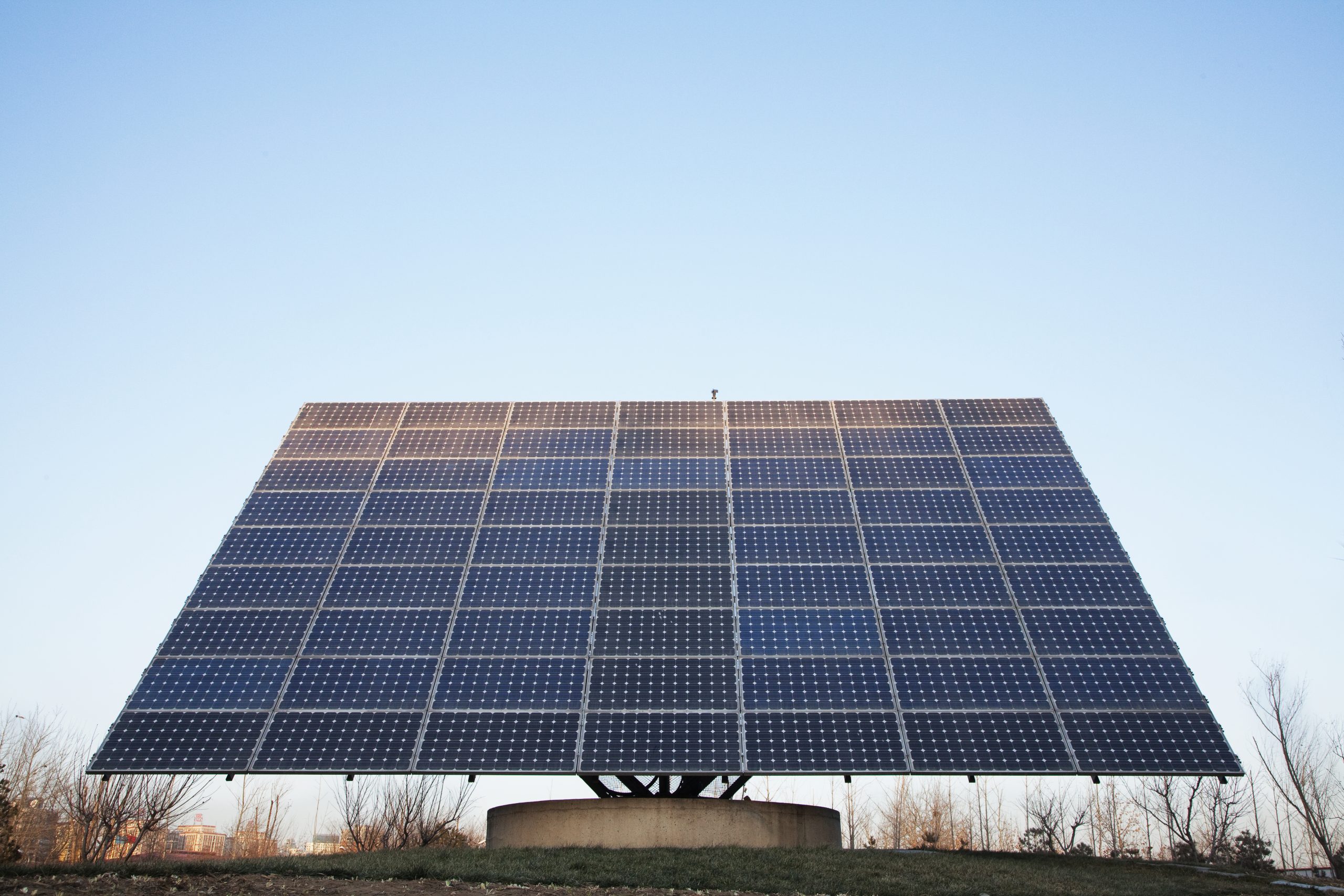
Large solar facilities typically require hundreds or thousands of acres and are designed to supply electricity to regional power grids.
Developers often approach individual landowners with long-term lease offers, sometimes lasting 30 to 40 years, providing a steady income stream that can exceed traditional crop revenues in some years.
Supporters argue that such projects:
- generate tax revenue for counties
- create temporary construction jobs
- diversify rural energy production
But opponents worry about the long-term land-use consequences.
County Officials Reviewing Solar Ordinances
Recent discussions among county officials have focused on potential changes to local zoning and permitting requirements for large solar projects.
Proposed revisions reportedly include reviewing issues such as:
- setback distances from neighboring properties
- land-use compatibility in agricultural zones
- decommissioning requirements once solar facilities reach the end of their operating life
- visual and environmental impacts
County leaders say the goal is to ensure that solar development occurs in a way that aligns with community priorities and land-use planning.
At this stage, officials are evaluating whether current regulations provide sufficient oversight as proposals increase.
Farmland Preservation Concerns
One of the central themes in the Knox County debate is the role of farmland.
Indiana remains one of the most productive agricultural states in the United States, and many rural counties rely heavily on agriculture as an economic foundation.
Critics of large solar installations argue that converting large areas of farmland to energy production—even temporarily—can affect the broader agricultural economy.
When farmland leaves production, the impacts can extend beyond individual landowners.
Local agricultural supply chains often depend on a critical mass of working farms, including:
- seed and fertilizer suppliers
- grain elevators
- farm equipment dealers
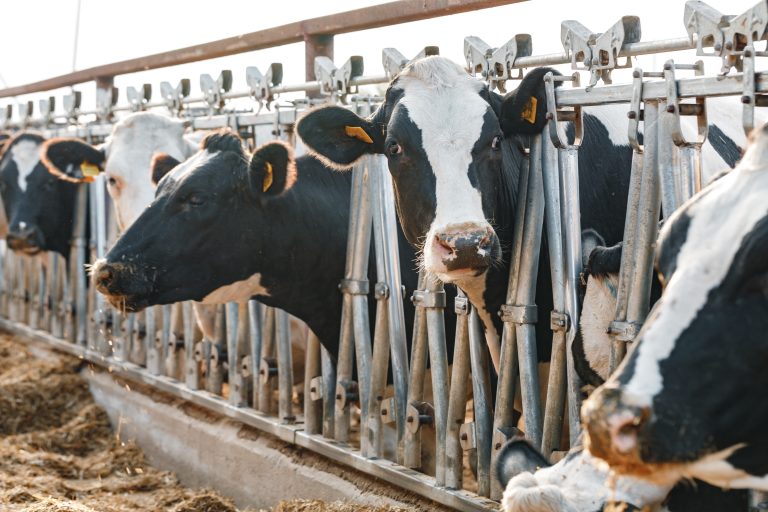
- livestock feed operations
Some residents worry that large clusters of solar projects could gradually alter the character of agricultural regions.
Landowner Rights Remain a Key Issue
At the same time, many farmers support the option to lease land for solar development.
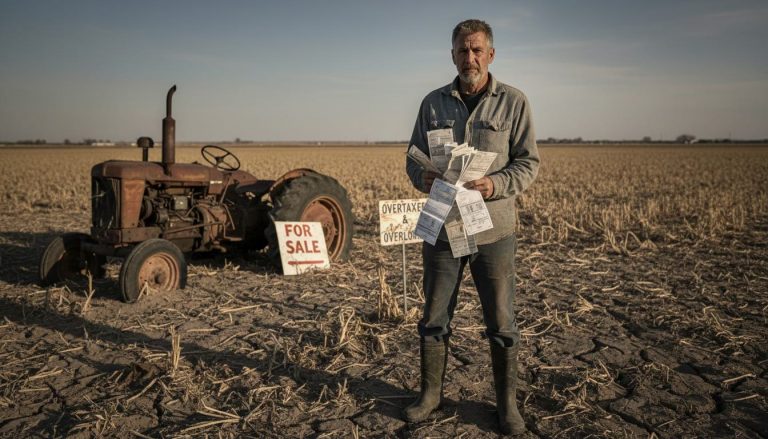
Long-term solar contracts can offer predictable income during periods of volatile commodity prices.
For landowners facing financial pressure, those leases may provide an alternative to selling farmland for residential or commercial development.
That reality creates a difficult balance for county governments.
Local officials must weigh individual property rights against broader land-use planning goals for the community.
A Trend Emerging Across the Midwest
Knox County’s review of solar regulations mirrors debates happening across rural counties throughout the Midwest.
Local governments in states such as Indiana, Ohio, Illinois, and Michigan have begun revisiting their solar ordinances as project proposals increase.
Some counties have implemented:
- temporary moratoriums while reviewing regulations
- stricter zoning requirements
- limits on where solar projects can be located
Others have maintained relatively open policies while adding safeguards for farmland protection.
The outcome often depends on local political dynamics and community priorities.
Renewable Energy Meets Local Land Use
At the national level, solar energy expansion is a major component of long-term energy policy.
But while federal and state governments may encourage renewable energy development, land-use authority typically rests with local governments.
That means counties like Knox often find themselves making decisions that shape how national energy goals intersect with local agricultural landscapes.
In practice, those decisions can become some of the most contentious policy debates rural communities face.
The Debate Is Still Unfolding
For now, Knox County has not adopted a full ban on solar development.
Instead, officials are continuing to evaluate whether existing ordinances adequately address the scale and pace of proposed projects.
Future meetings and zoning discussions will determine whether the county ultimately adopts stricter regulations—or maintains its current approach.
What is clear is that Knox County has joined a growing list of rural communities reassessing how large energy projects fit into agricultural regions.
And as solar developers continue expanding across the Midwest, the outcome of these local debates will help determine where—and how—the next generation of energy infrastructure is built.