
A key court ruling signals that grazing sheep beneath solar panels may not be enough to qualify a project as agriculture
Yanasa TV News
A recent court ruling in Pennsylvania has delivered a significant reality check for the fast-growing concept of agrivoltaics—the practice of combining agriculture with solar energy production.
In January 2026, the Commonwealth Court of Pennsylvania ruled against a developer attempting to classify a solar project as an agricultural use simply because sheep would graze beneath the panels.

The decision came in the case West Lampeter Solar 1, LLC v. West Lampeter Township Zoning Hearing Board, a zoning dispute that has quickly become one of the most closely watched agrivoltaics cases in the United States.
For counties across the country grappling with solar development proposals on farmland, the ruling clarifies an increasingly important legal question:
Does adding livestock to a solar field make it agriculture?
According to the court, not necessarily.
The Solar Project at the Center of the Case
The dispute originated in West Lampeter Township, an agricultural community in Lancaster County.
A developer proposed building a large solar facility on farmland within the township.
To strengthen the proposal, the company argued that the project qualified as agrivoltaics, a model that integrates agricultural activity with solar energy generation.
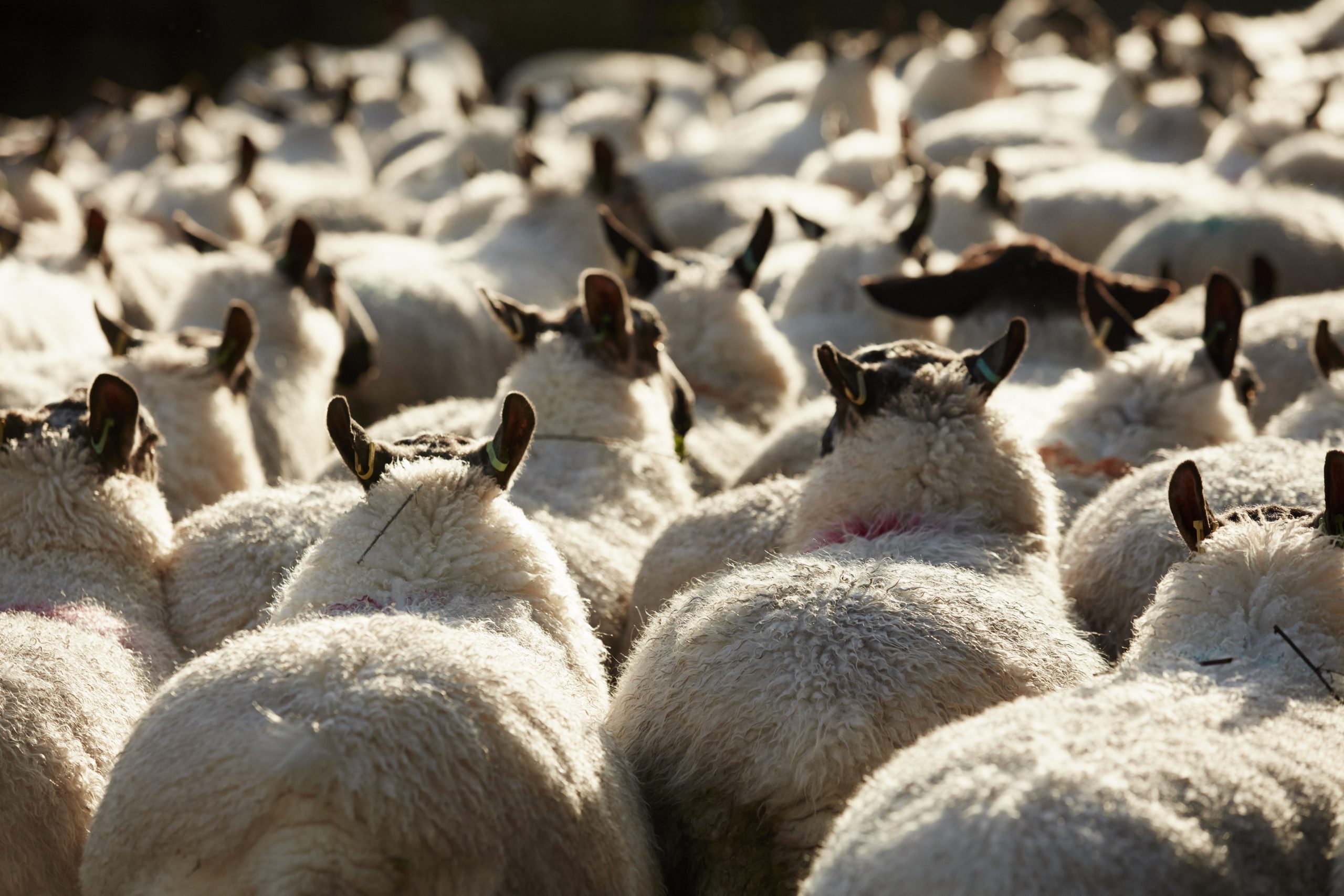
Under the plan, sheep would graze beneath the solar panels to control vegetation and maintain the land in agricultural use.
Developers argued that because livestock production would occur on the property, the project should qualify as an agricultural use under local zoning rules.
That distinction mattered.
Agricultural uses are commonly permitted in rural zoning districts where large industrial energy projects may not be.
Township Officials Rejected the Argument
Local zoning officials did not accept the agrivoltaics classification.
The West Lampeter Township Zoning Hearing Board determined that the primary purpose of the project was electricity generation, not agriculture.
Even if sheep grazed beneath the panels, the board concluded the facility functioned primarily as a solar energy installation.
That meant the project did not qualify for the agricultural zoning allowances the developer sought.
The developer appealed the decision through Pennsylvania’s court system.
What the Court Decided
When the case reached the Commonwealth Court, judges examined whether the proposed solar facility could legitimately be classified as an agricultural use.
The court ultimately upheld the township’s decision.
In its ruling, the court found that the presence of sheep grazing on the property did not transform the solar installation into an agricultural operation for zoning purposes.
Instead, the judges concluded that the principal use of the land remained electricity production, not farming.
Because of that, the solar project did not qualify for agricultural zoning treatment.
The ruling affirmed the authority of local governments to distinguish between agricultural activities and energy infrastructure—even when the two occur on the same property.
Why This Case Matters Nationally
Agrivoltaics has gained significant attention in recent years as solar developers seek ways to place projects on farmland while maintaining agricultural activity.
Across the United States, developers have proposed projects that include:
- sheep grazing beneath solar panels
- pollinator habitat installations
- crop production between panel rows
- elevated panels designed to accommodate farming equipment
Supporters argue these systems allow farmland to produce both food and energy simultaneously.
But zoning laws were not written with these hybrid uses in mind.
The Pennsylvania ruling shows that simply adding agricultural activity to a solar project may not be enough to qualify it as a farm use under existing land-use rules.
Rural Counties Face Increasing Pressure
Across the Midwest and Northeast, rural counties are confronting an increasing number of solar development proposals.
Large utility-scale solar projects can require hundreds—or sometimes thousands—of acres.
For agricultural communities, that scale can trigger concerns about farmland loss and long-term land use.
Developers have increasingly turned to agrivoltaics as a way to address those concerns.
The Pennsylvania case suggests that approach may face legal limits when zoning laws focus on the primary purpose of the land.
A Warning for Solar Developers
For solar companies pursuing agrivoltaic projects, the ruling highlights the importance of local zoning frameworks.
Simply incorporating livestock or crops into a solar installation may not automatically qualify the project as agriculture.
Courts may instead examine what the land is primarily used for.
If electricity generation remains the dominant function, zoning authorities may still classify the project as energy infrastructure rather than farming.
That distinction can determine whether projects are approved or rejected.
The Agrivoltaics Debate Is Far From Over
Despite the Pennsylvania ruling, agrivoltaics continues to expand in several states where regulators have begun creating specific policies for dual-use solar systems.
Some states have even introduced incentives encouraging solar projects that maintain agricultural production.
But the West Lampeter case shows that where those policies do not yet exist, courts may fall back on traditional zoning interpretations.
And in many rural communities, the question remains unresolved:
When farmland produces electricity as well as crops or livestock, what should it legally be called?
For now, Pennsylvania’s courts have offered one answer.
Grazing sheep beneath solar panels may help manage vegetation.
But it does not automatically turn a solar power plant into a farm.