
AI’s Thirst: The Great Lakes Water Grab That’s Draining Our Farms.
Yanasa TV News
They told us the future would be digital — not dehydrated.
While farmers along the Great Lakes are trying to squeeze another inch of rain from the clouds, the world’s biggest tech companies are literally siphoning the same waterto keep their artificial intelligence cool. And in a twisted irony of progress, the race to train smarter machines might just be dumbing down agriculture — by drying it out.
The Great Lakes Myth: “We’ve Got Plenty of Water”
That’s the line everyone loves to repeat.
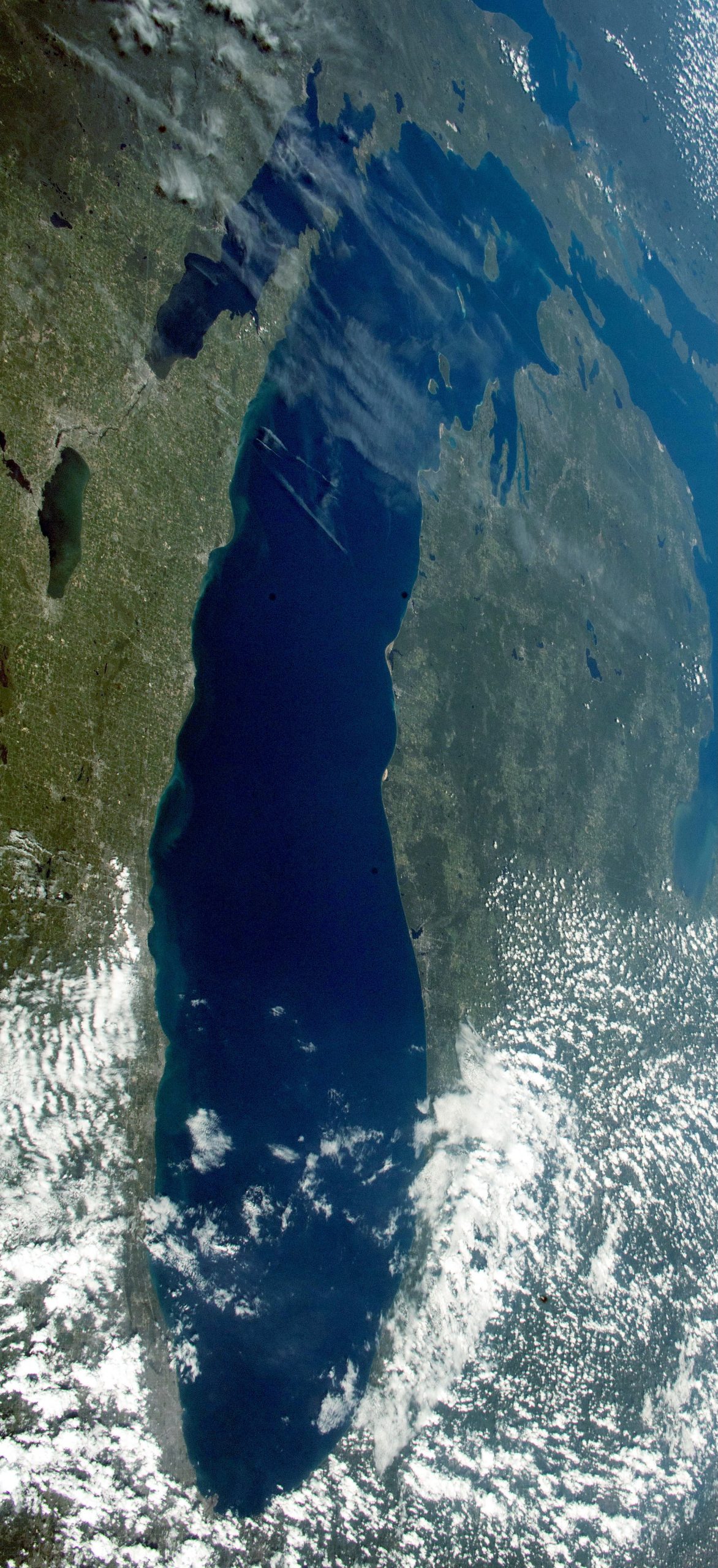
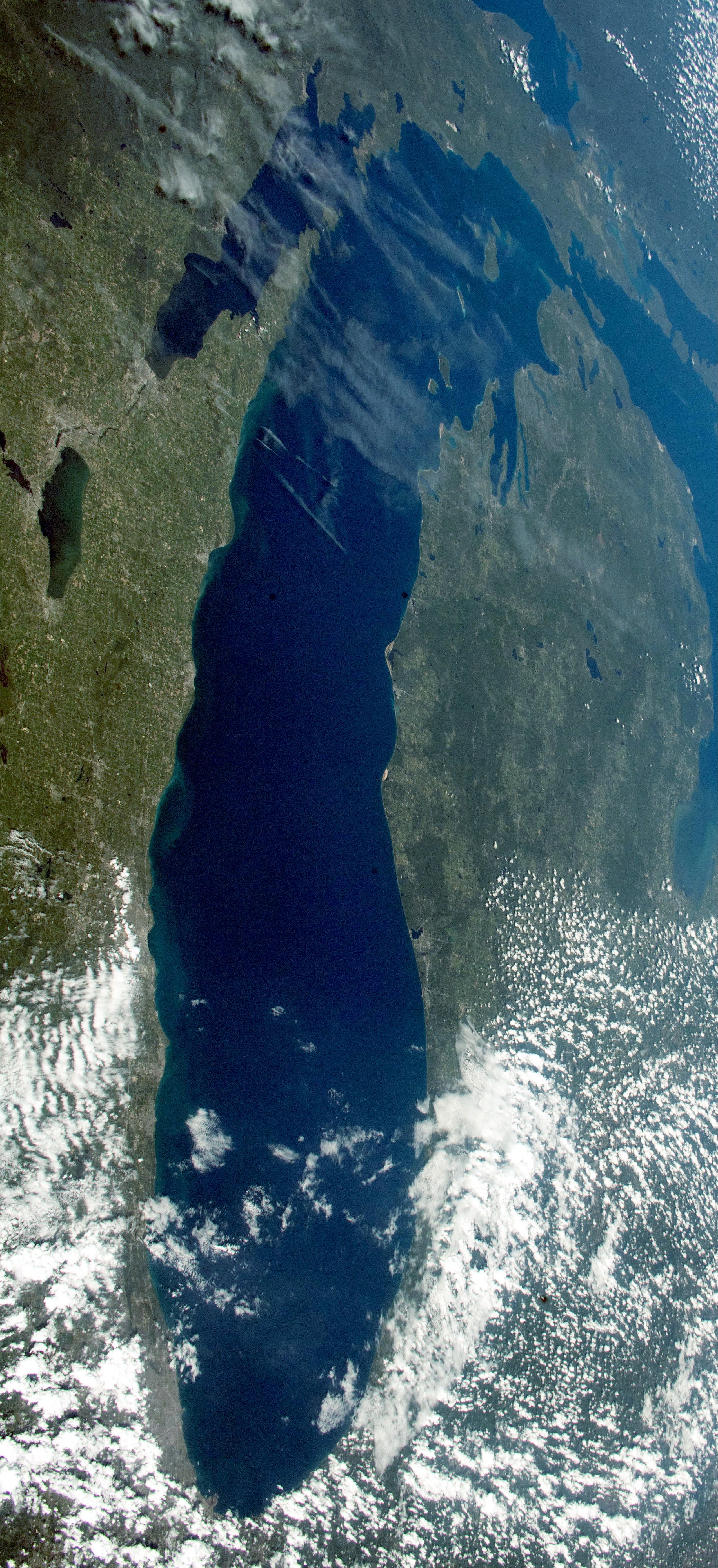
After all, the Great Lakes hold about 20% of the world’s surface freshwater — an inland ocean chain so vast it makes “water shortage” sound like desert talk. But ask any farmer in western Michigan, northern Ohio, or Wisconsin’s dairy belt what happens when you start tapping aquifers faster than they refill, and they’ll tell you: “Plenty” disappears real quick.

See, it’s not the lakes themselves under pressure — it’s the groundwater that feeds them. And now, as AI data centers sprout across the region like mushrooms after rain, those deep wells and municipal supplies are getting double-booked.
How Much Water Does AI Really Drink?
According to the Alliance for the Great Lakes, a single hyperscale data center — the kind running AI models and cloud servers — can slurp 1 to 5 million gallons of water per day.
That’s not a typo. One site, one day, millions of gallons.
For perspective:
- 1 million gallons is what 12,000 people use in a year.
- Many AI campuses plan to operate 365 days a year.
- And more than 90% of that water is lost to evaporation, not returned to the watershed.
These centers don’t pull from a labeled “data faucet.” They draw from municipal water systems, the same ones supplying farms, dairies, and rural communities. So when the local utility runs low, your irrigation priority might suddenly look a lot less “essential” than training GPT-12 to write poetry.
Digital Gold Rush in Farm Country
From Racine County, Wisconsin to Saline Township, Michigan, data center developers are buying up cheap farmland near fiber lines and power substations. The brochures call them “investments in the future.” The locals call them water hogs with tax breaks.
- Racine County: Microsoft’s new “green campus” could draw millions of gallons daily, though they promise “water-conscious cooling.”
- Saline Township, MI: The proposed Oracle/OpenAI complex — dubbed “The Barn” — touts sustainable design, but locals weren’t told how much water it’ll actually consume.
- Joliet, Illinois: City officials admitted a proposed data facility could use 3 million gallons per day, nearly rivaling all residential consumption combined.
The kicker? Most of these projects are covered by NDAs, so actual withdrawal numbers are buried under “proprietary” data. Meanwhile, local farmers get lectured on “conservation.”
Farming vs. Fiber: A Collision Course
Every growing season now risks becoming a tug-of-war between irrigation wells and server cooling towers.
On one end, you’ve got family farms whose yields depend on consistent groundwater access. On the other, you’ve got billion-dollar companies promising “AI breakthroughs” while vaporizing drinking water into the sky.
Farmers are used to drought, but not man-made droughts. Some irrigation permits in Michigan have already faced scrutiny because new industrial users — guess who — are pushing total basin withdrawals toward state limits.
The Great Lakes Compact was supposed to prevent this kind of imbalance. Yet here we are: city planners handing out water allotments to tech firms like candy, while farmers are told to “innovate their efficiency.”
Transparency: The Missing Ingredient
Here’s the part that burns: data centers don’t even have to report their consumptive use — that’s water lost forever to evaporation — if they buy through a municipal supplier.
So while agriculture’s every gallon is measured, logged, and regulated, Big Tech’s mega-thirst hides inside the “urban use” column. Out of sight, out of regulation.
The Alliance for the Great Lakes calls this a “blind spot.” I’d call it a loop-hole big enough to drive a Microsoft campus through.
The Coming Reckoning
Let’s imagine the Great Lakes Basin ten years from now if this trend keeps up:
- Summer droughts stretch longer.
- Utilities raise rates to expand treatment capacity.
- Small farms get squeezed on both ends — higher water costs, lower yields.
- Politicians pat themselves on the back for “green tech growth” while imported food fills grocery shelves.
We’ll have the smartest machines in history — and no local milk to pour in the coffee they help us code.
Solutions or Just Spin?
Sure, there are alternatives: air-cooled systems, recycled greywater, even using server heat to warm greenhouses. But those cost more, and let’s be honest — most developers only “go green” when forced to by public pressure.
That’s where farmers and citizens come in.
Ask your county board:
- Who approved this water use?
- What’s the daily drawdown limit?
- Does the facility recycle its cooling water or just let it steam off into the sky?
The future of food might depend on those uncomfortable town-hall questions.
Final Thought
The Great Lakes were once our agricultural backbone — a hydrological gift that made the Midwest feed the world. Now that same gift is being bartered away, traded for server racks and algorithms that don’t know the taste of rain or the smell of soil.
AI might one day predict droughts, but at this pace, it’ll be the reason they happen.
So before we hand the keys of our aquifers to the cloud, maybe it’s time to remind the digital empire:
You can’t eat data.
And without farmers, there’s no one left to feed the machines.