
Too Close for Comfort? Judge’s AGO Ties Spark Recusal Motion
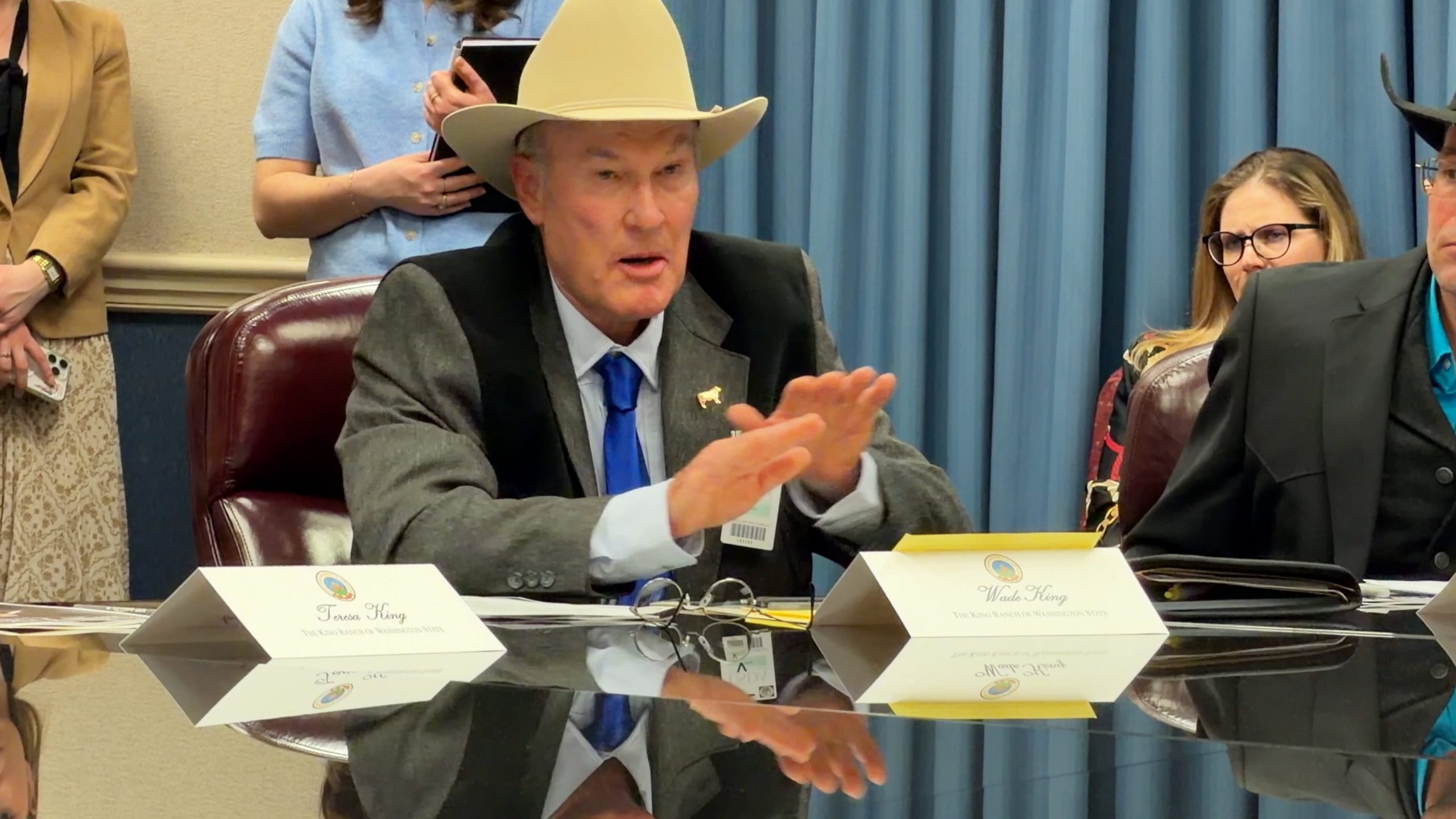
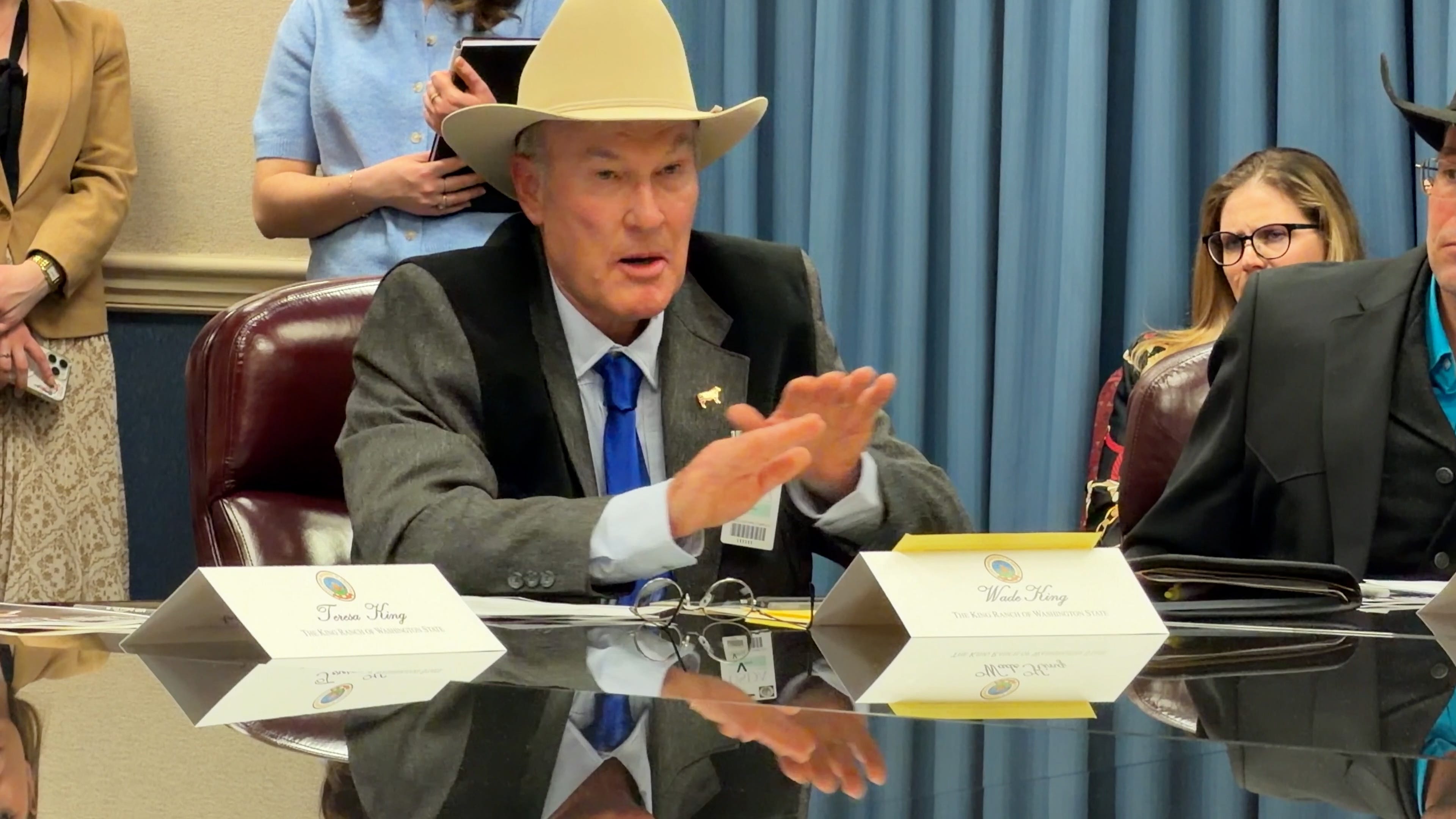
In February 2026, Wade and Teresa King — operating as King Ranch — filed a formal motion asking Grant County Superior Court to recuse or disqualify Judge Jennifer Richardson from presiding over their case against the Washington Department of Natural Resources (DNR).
According to filings submitted with the court, the Kings’ case had been assigned to Judge Chlarson for several months. A hearing had been noted before him. Days before that hearing date, however, the matter was reassigned to Judge Richardson — who had recently been appointed to the bench by Governor Bob Ferguson, Washington’s former Attorney General, and had departed the Attorney General’s Office shortly after that appointment.

The Kings state that the reassignment, combined with Judge Richardson’s recent leadership role within the AGO — the same office currently representing DNR in this case — prompted their recusal motion.
The motion does not allege corruption.
It does not allege misconduct.
It argues something narrower — and potentially more consequential:
That Judge Richardson’s recent leadership role inside the Washington Attorney General’s Office (AGO), combined with the AGO’s active defense of DNR in this case, creates an appearance issue serious enough to undermine public confidence.
Under Washington’s Code of Judicial Conduct (CJC Rule 2.11), a judge must disqualify herself in any proceeding where “impartiality might reasonably be questioned.”
The dispute now centers on how that standard applies here.
The Legal Standard: Appearance, Not Proof
The Kings’ motion emphasizes that Washington courts interpret Rule 2.11 broadly. As cited in the filing, “actual prejudice is not the standard.” The rule exists to prevent even the appearance of impropriety.
The question before the court is not whether Judge Richardson is biased.
It is whether a reasonable person, knowing the relevant facts, might question impartiality.
That distinction is central.
The Timeline the Kings Rely On
The motion outlines the following sequence:
- Judge Richardson served 12 years in the Washington Attorney General’s Office.
- For the last four years, she served as Managing Assistant Attorney General.
- In that role, she “advised and represented state agencies” in Grant, Douglas, Chelan and Okanogan counties.
- In January 2026, Governor Bob Ferguson — who previously served as Washington’s Attorney General — appointed her to the Grant County Superior Court bench.
- She departed the Attorney General’s Office shortly after that appointment.
- The AGO is currently representing DNR in the King Ranch litigation.
- The case was reassigned to her shortly after she assumed the bench.
The Governor’s January 16, 2026 announcement confirms her prior role as a “managing assistant attorney general” who “advises and represents state agencies in Grant, Douglas, Chelan and Okanogan counties.”
The Kings do not claim she personally handled their case.
Their argument is structural:
A recently appointed judge who served in a senior supervisory role inside the AGO is now presiding over litigation where AGO attorneys appear before her on behalf of a state agency.
The Emails That Prompted the Motion
The recusal request was triggered by scheduling emails included in a declaration from attorney Kenneth W. Chadwick.
In those emails, court administration conveyed that Judge Richardson “does not plan to recuse” and would only need to recuse if she had “knowledge of this case or had prior involvement.”
Chadwick responded that because “the AG’s office is the counsel on this matter and she was just at the AG’s office,” recusal was warranted.
The emails show no improper communication, no political direction, and no statement of bias.
They reflect a disagreement over how narrowly or broadly the appearance standard should be interpreted.
What Kenneth Chadwick Is Arguing — Precisely
Chadwick’s declaration documents the scheduling history and reassignment timeline.
The motion argues that, given “the recency of Judge Richardson’s employment with the AGO… her supervisory and advisory role over state agencies operating in the relevant counties… [and] the AGO’s active representation of the State and DNR,” a reasonable person “could question Judge Richardson’s ability to remain impartial.”
The operative phrase is “could question.”
The Kings are not alleging wrongdoing.
They are asserting that institutional proximity, combined with timing, crosses the appearance threshold.
Additional Concerns Raised by Wade King
In his declaration, Wade King states:
“I have grave concerns about Judge Richardson’s ability to serve impartially.”
He adds:
“Asking my future to hinge on Judge Richardson’s ability to be impartial is not fair and further impedes the integrity of the judicial process.”
He also asks:
“How can I be certain that Judge Richardson was not aware of these activities or things said about me while she worked for the AGO?”
These statements express uncertainty and concern — not accusations.
They frame the issue as one of visible separation.
Broader Context: Why Optics Are Already Sensitive
This recusal motion does not exist in a vacuum.
In prior reporting, the Kings have challenged the structure of the administrative enforcement process itself — particularly proceedings before the Washington Pollution Control Hearings Board.
That Board operates within the executive branch. The agencies that investigate and prosecute enforcement actions also operate within the executive branch. The Governor appoints members of that Board, and executive agencies appear before it.
In You Can’t Punish Us Here, the Kings argued that when enforcement disputes are adjudicated within executive-branch structures, the appearance of concentration of authority can raise concerns about independence.
The current recusal motion is different. Grant County Superior Court is part of the judicial branch — constitutionally separate from the executive.
But the Kings argue that when disputes have already moved through executive structures, the visible independence of the judiciary becomes even more important.
In that context, the proximity between the AGO and the bench takes on heightened significance.
The Institutional Overlap
Viewed individually, each fact can be explained.
Former government attorneys routinely become judges.
They are not automatically disqualified from cases involving their former employer.
Direct personal involvement is typically required before recusal becomes mandatory.
But judicial ethics rules are broader than traditional conflict-of-interest principles. They exist to preserve public confidence.
In this case, the institutional alignment is close:
- The AGO advises and defends state agencies in Grant County.
- Judge Richardson held a senior managing role within that office, overseeing representation of agencies in the same counties where this dispute is being litigated.
- Governor Bob Ferguson, who previously led the AGO, appointed her to the bench.
- She departed the AGO shortly after that appointment.
- The AGO remains active counsel defending DNR in this case.
None of these facts establish direct participation in this matter.
Taken together, however, they describe a tight professional and institutional proximity within the same executive legal framework.
The Kings argue that this proximity alone may cause a reasonable observer to question impartiality.
The Legal Tension
Courts often require evidence of direct involvement before mandating recusal.
The Kings contend that Rule 2.11 requires a broader analysis — one centered on public perception rather than personal participation.
Their argument rests on three core factors:
- Recency — The transition from AGO leadership to the bench occurred within the same month as appointment.
- Supervisory scope — She advised and represented state agencies in the same counties where this dispute is being litigated.
- Ongoing representation — The AGO remains active counsel for DNR.
The court must determine whether those cumulative factors meet the “might reasonably be questioned” standard.
The Narrow Question Before the Court
A hearing on the recusal motion is scheduled for February 27.
The court is not being asked to determine the merits of grazing leases, water rights, or enforcement claims.
It is being asked to answer a procedural question:
Would a reasonable person, knowing these facts, question impartiality?
If yes, recusal follows.
If no, the case proceeds.
Either way, the ruling will clarify how Washington courts interpret the appearance standard when senior government attorneys transition directly from executive legal leadership into judicial authority while their former office remains active in related litigation.
Why This Matters
Judicial legitimacy depends not only on fairness, but on the visible appearance of fairness.
The Kings’ motion does not accuse the court of wrongdoing.
It asks whether the institutional distance between the AGO and the bench is sufficient to maintain public confidence — particularly in a case that has already traversed executive enforcement channels.
Judicial systems depend on visible separation between those who prosecute, those who defend, and those who decide.
When that separation narrows, even unintentionally, courts are asked to clarify where the boundary lies.
The Kings’ motion forces that clarification.
The ruling on February 27 will not only determine who hears this case.
It will signal how Washington courts interpret the boundary between institutional familiarity and public confidence.
Whether that distance is sufficient is now a question not of personalities, but of public confidence in the system itself.